
By Nicki Byrnes
October 8, 2024
Did you see the recent New York Times article about a knitting vacation in Iceland? It highlights a fascinating trend: knitting tourism is blossoming in Iceland, where an abundance of sheep and a deep-rooted tradition are luring visitors eager to embrace the cherished pastime.
The writer goes on a road trip from Reykjavik with an Icelandic knitting instructor and details the challenges of mastering the craft. The journey shows how knitting offers a unique lens into Icelandic culture, providing an alternative to the usual tourist attractions while celebrating the country’s rich heritage in wool production and craftsmanship.
Sounds great – gorgeous and covetous, in fact. But what exactly is knitting tourism and why is it gaining traction in Iceland?
The Rise of Knitting Tourism
The surge in knitting-themed tourism, with experiences like “Knitting Under the Northern Lights,” is gaining traction among fiber artists. The tours blend the country’s breathtaking landscapes with its vibrant knitting culture, allowing visitors to engage hands-on with Icelandic traditions. Several factors contribute to this travel trend:
- Cultural Immersion: Tourists are increasingly seeking authentic experiences that connect them to local traditions.
- Sustainable Travel: Knitting tours align with the growing interest in eco-friendly and slow tourism.
- Therapeutic Benefits: Known for its calming effects, knitting serves as an appealing stress-relief activity during vacations.
- Unique Souvenirs: Visitors have the chance to create their own Icelandic-inspired knitwear, providing meaningful mementos from their travels.

The Icelandic Knitting Legacy
What does Iceland have to do with knitting? Icelandic knitting has shaped the country’s identity for over 500 years, dating back to around the 16th century. In a country where sheep thrive in harsh climates, wool production and knitting were essential for survival and economic sustenance.
They even have their own prominent yarn type – Icelandic Lopi, known for its unique composition. It has soft inner fibers with long, glossy, water-repellent outer fibers. This results in lightweight yet warm garments that keep wearers comfortable in unpredictable weather.
Then there’s the Handknitting Association of Iceland – a proud symbol of the nation’s heritage, illustrating the resilience of its people against harsh climates and the importance of knitting in the local economy.
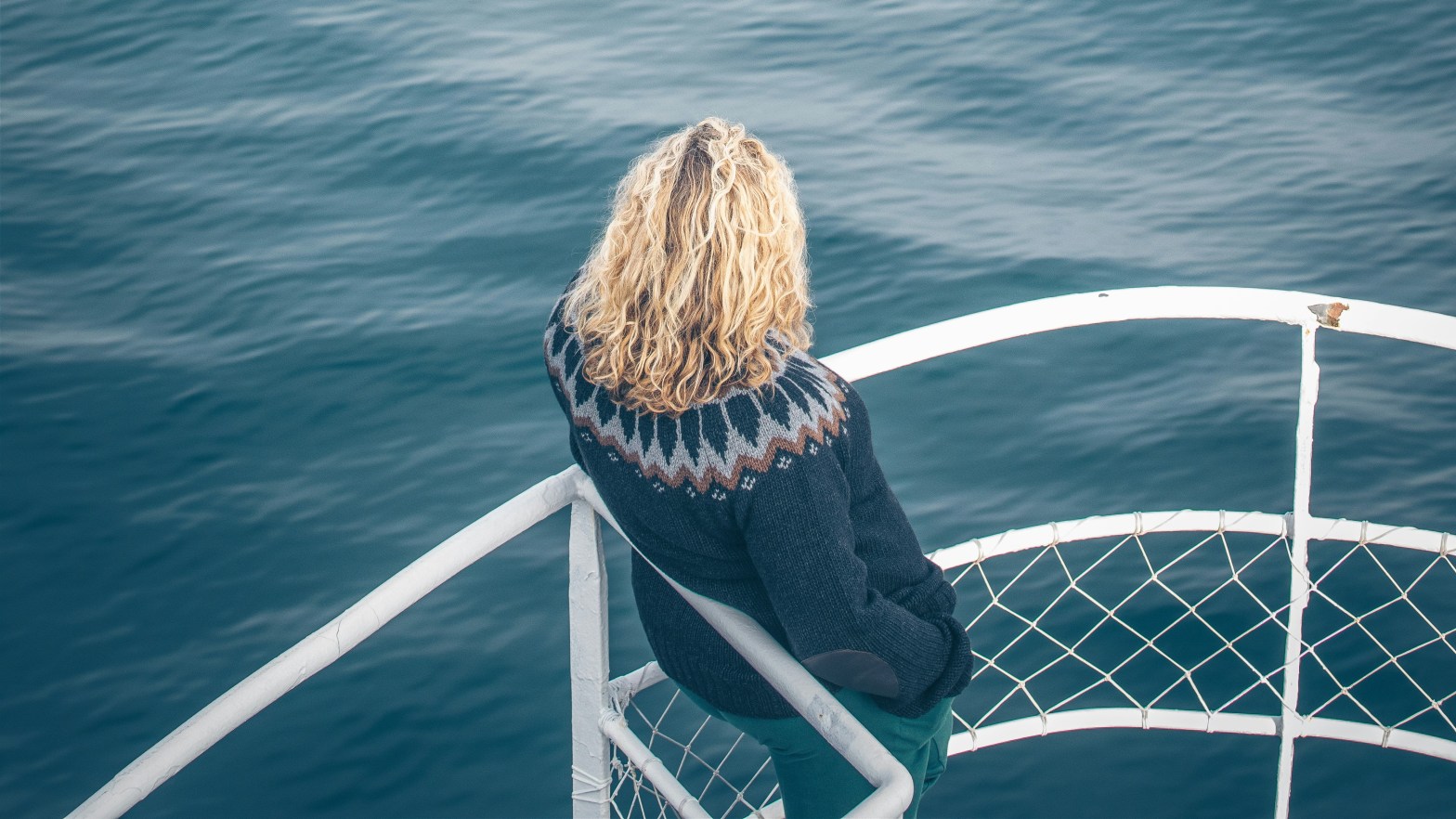
Additionally, the iconic Lopapeysa, or Icelandic sweater, emerged in the early to mid-20th century as a response to changing clothing styles. Today, it remains a beloved symbol of Iceland’s knitting culture.

Icelandic knitting’s influence also extends beyond garments. The “Nordic noir” literary genre has given rise to a subgenre dubbed “Knitting noir” or “Woolly noir.” These mystery novels incorporate knitting themes or protagonists who are avid knitters.
Why not Pittsburgh?
You might wonder why knitting knitting culture is thriving in Iceland specifically. While every region has its unique charms, these elements combine to position Iceland as a top destination for travelers seeking adventure, natural beauty, and cultural richness:
- Stunning Natural Landscapes: Renowned for its breathtaking scenery, Iceland boasts glaciers, waterfalls, geysers, and volcanic formations. The Golden Circle, featuring Þingvellir National Park and Gullfoss waterfall, showcases the country’s geological wonders.
- Unique Experiences: Visitors flock to witness phenomena like the Northern Lights and the midnight sun. Activities such as hiking in rugged terrain, relaxing in geothermal hot springs, and exploring ice caves create unforgettable memories.

I would be remiss if I didn’t mention the iconic Lopapeysa sweater can be replicated in crochet. You can achieve a very similar look with patterns like this free one I found on Ravelry.
So, does the idea of visiting Iceland for a knitting retreat intrigue you? I swear I’m not sponsored by the Icelandic Tourism Board, but I would happily accept an all-expenses paid trip if they’re interested. I think I’d even learn to knit for it.
 nickibyrnescrochet.com