It’s Super Bowl Season (and Yes, We’re Crocheting for It)

By Nicki Byrnes

January 25, 2026

The New England Patriots are headed to the Super Bowl. 🏈

This season came together gradually, with a quarterback who settled into the role week by week and led with consistency when it mattered most.

I lived near Boston for a few years, in the Tom Brady era, when football felt like a main character in the city and winning felt inevitable. The Patriots won a Super Bowl while I was there, the Red Sox claimed a World Series, and the Bruins had won the Stanley Cup a couple of years earlier. In Boston, winning wasn’t just celebrated; it was assumed, woven into the city’s DNA.

But there was, and is, something else unmistakably Boston. Unmistakably New England:

❄️ Cold. Very cold. ❄️

Which is exactly where this new crochet pattern comes in.

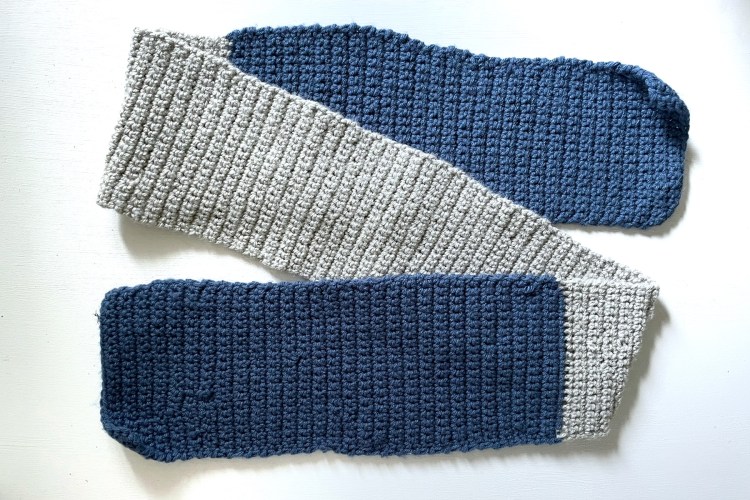
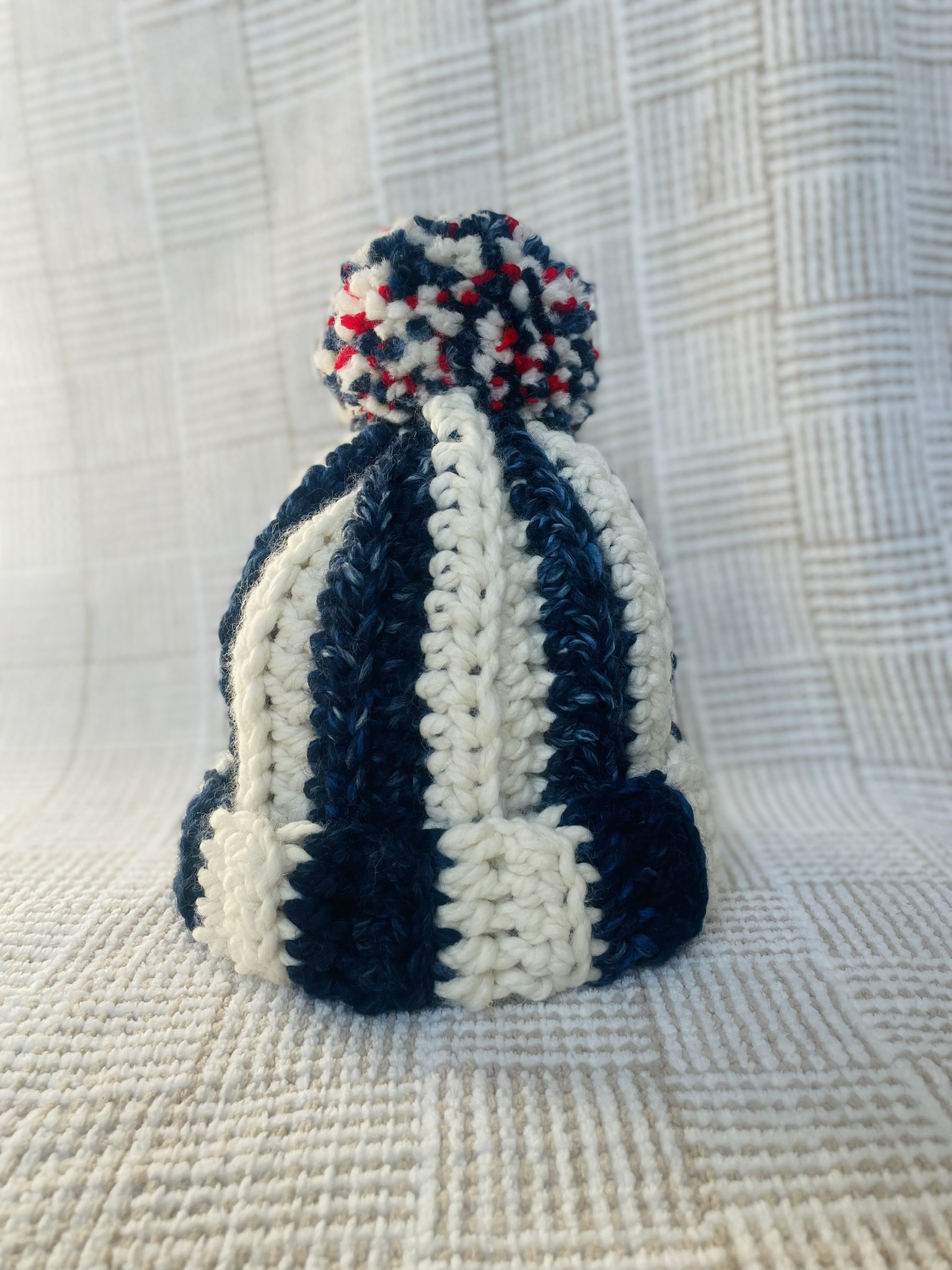
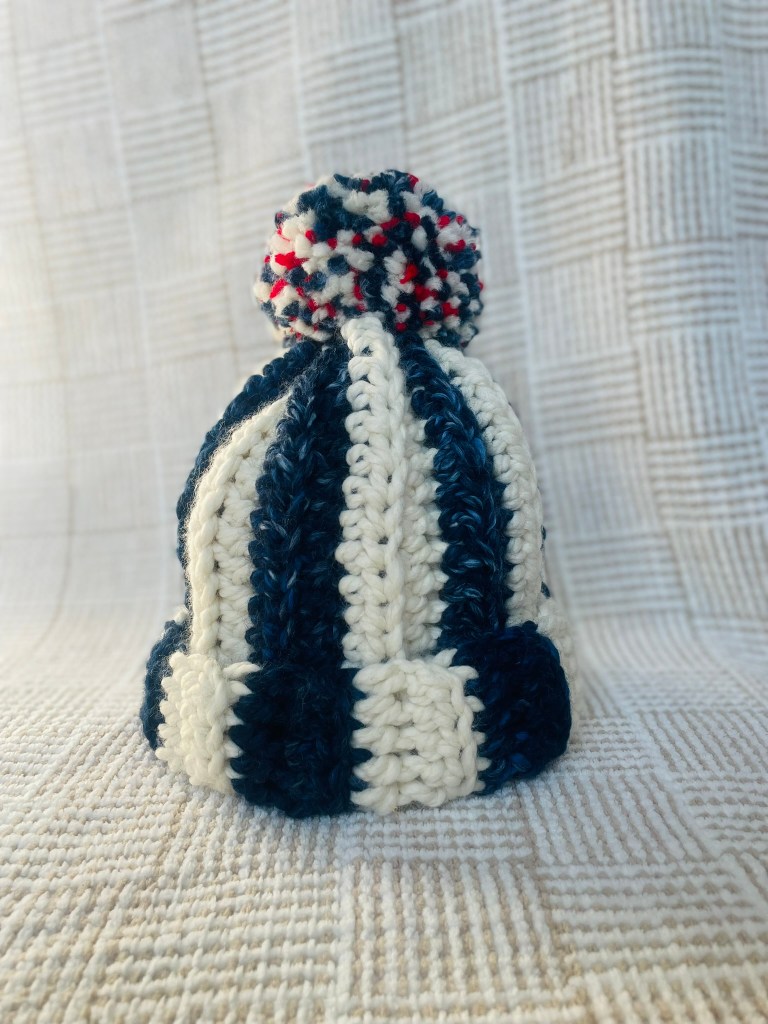
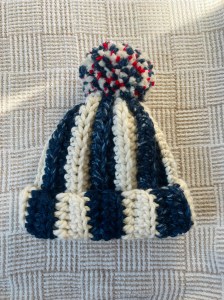
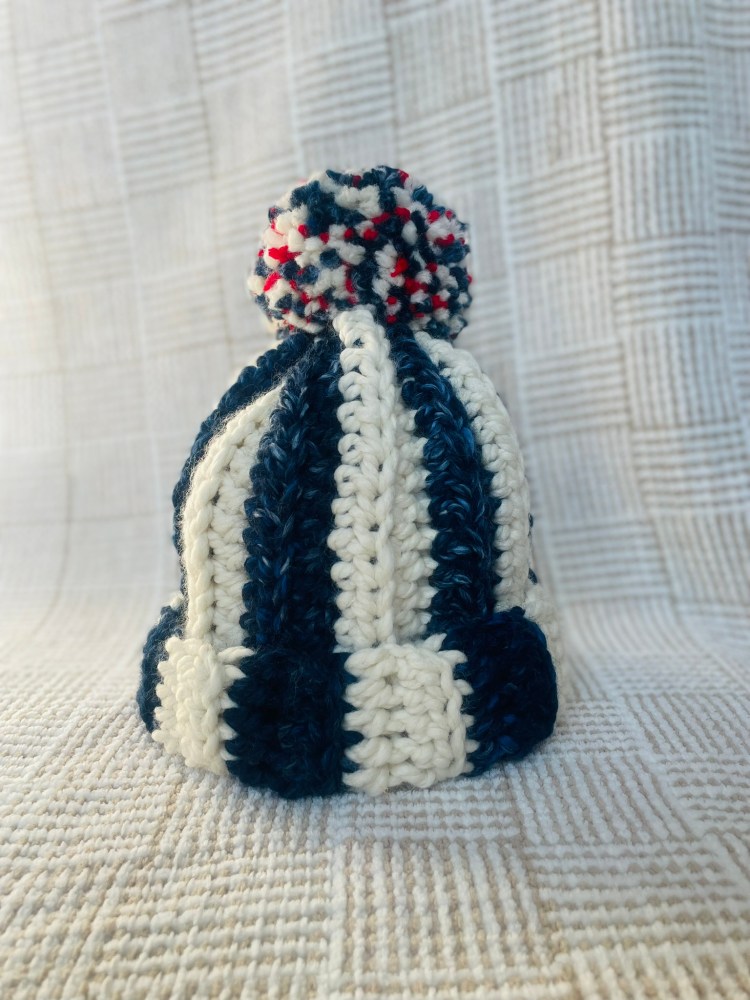
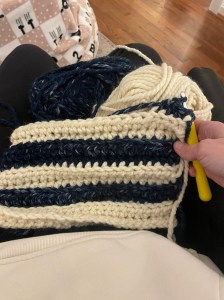
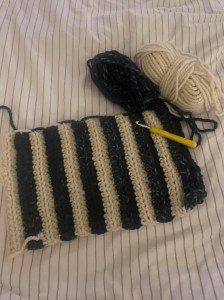
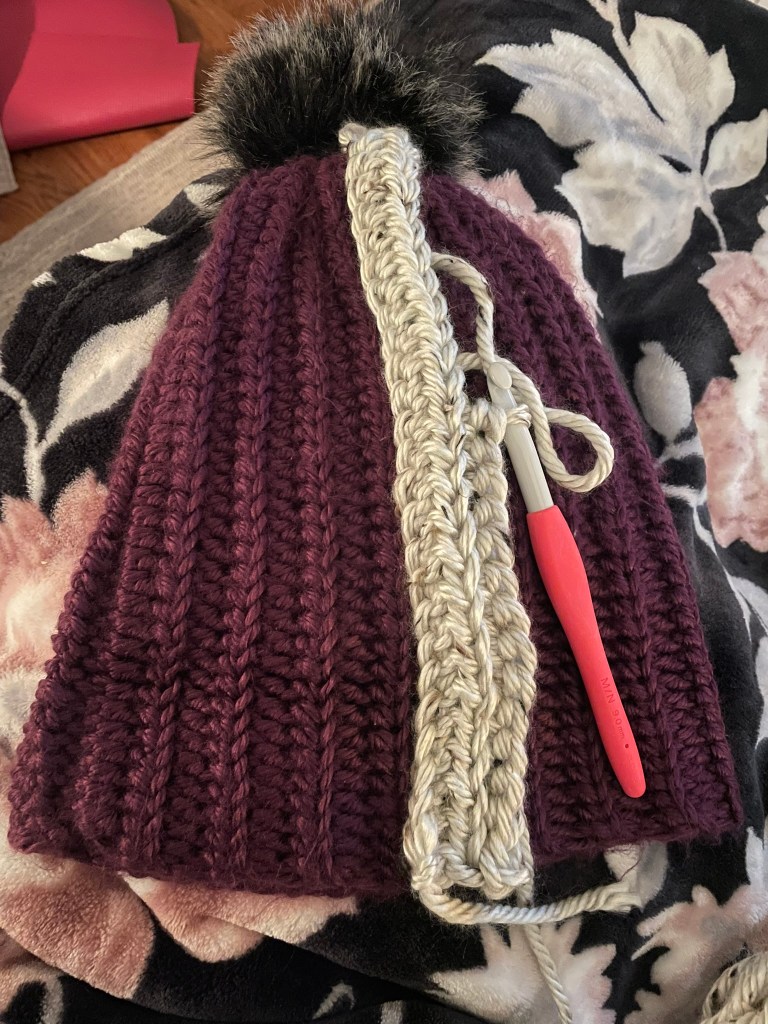
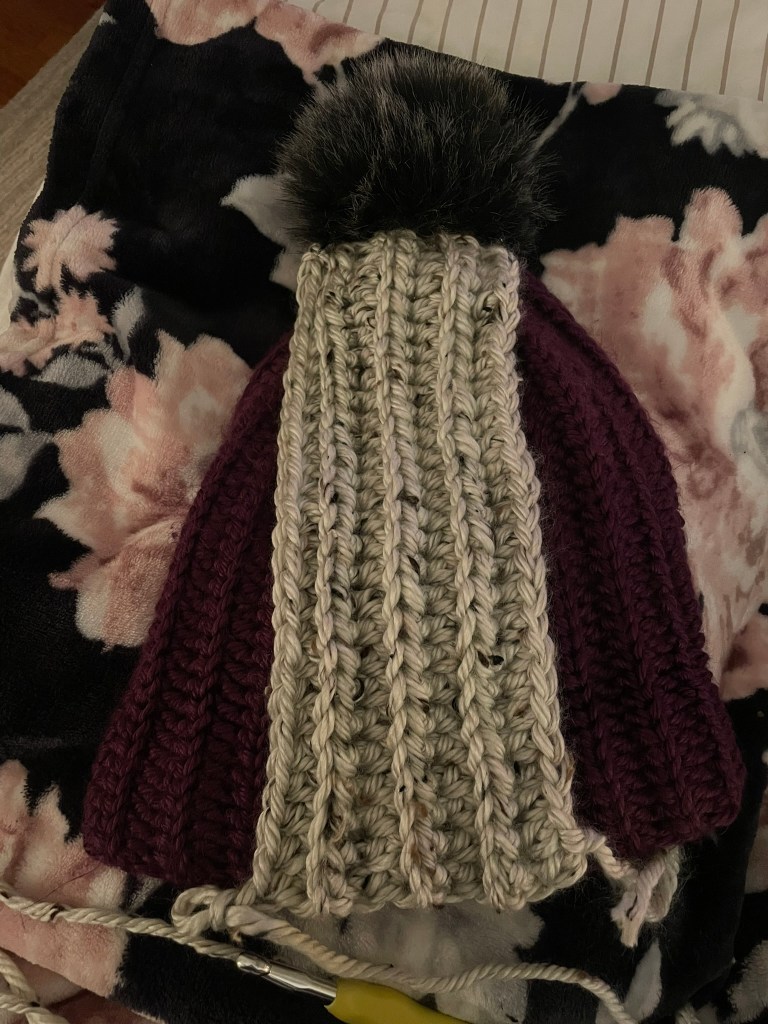
Swatch of my New England Patriots inspired hat
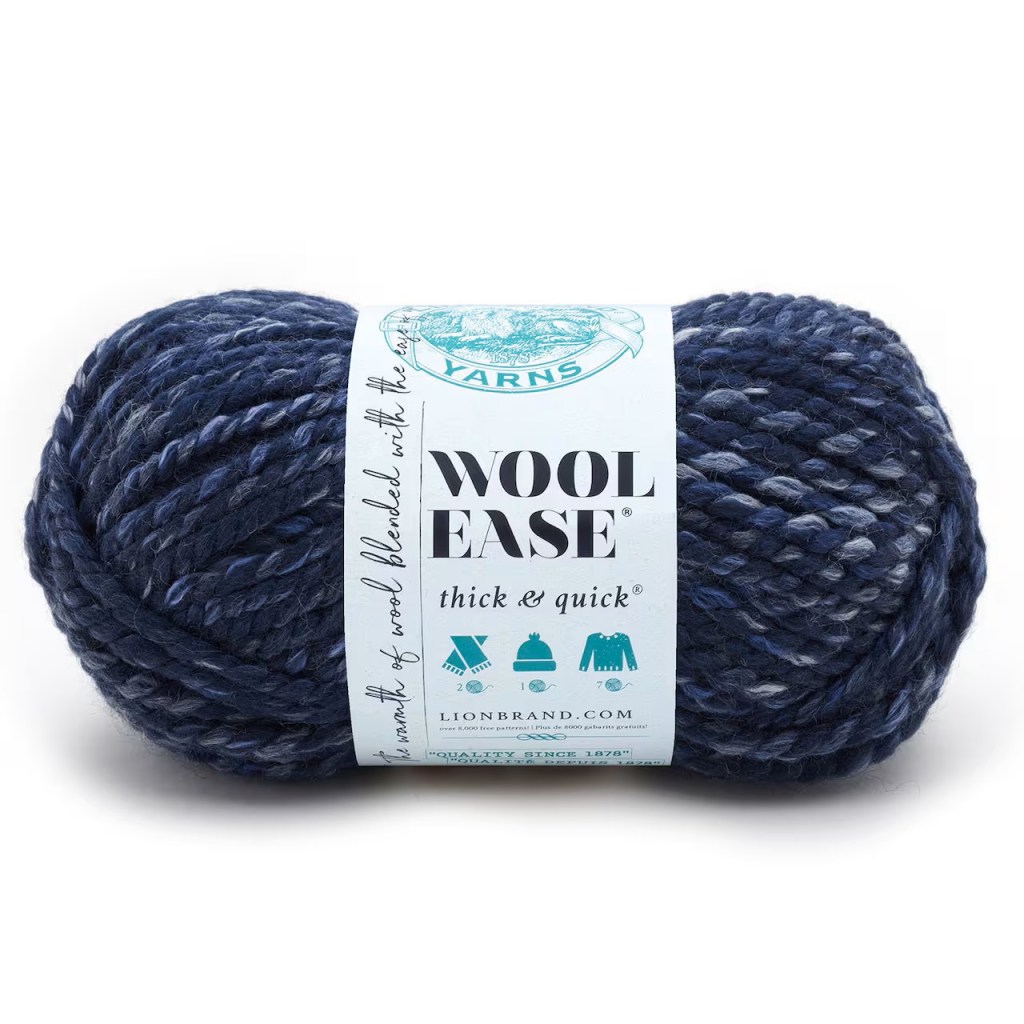
The colors Fisherman and River Run make up the hat portion

Stay Warm, Show Your Team Spirit

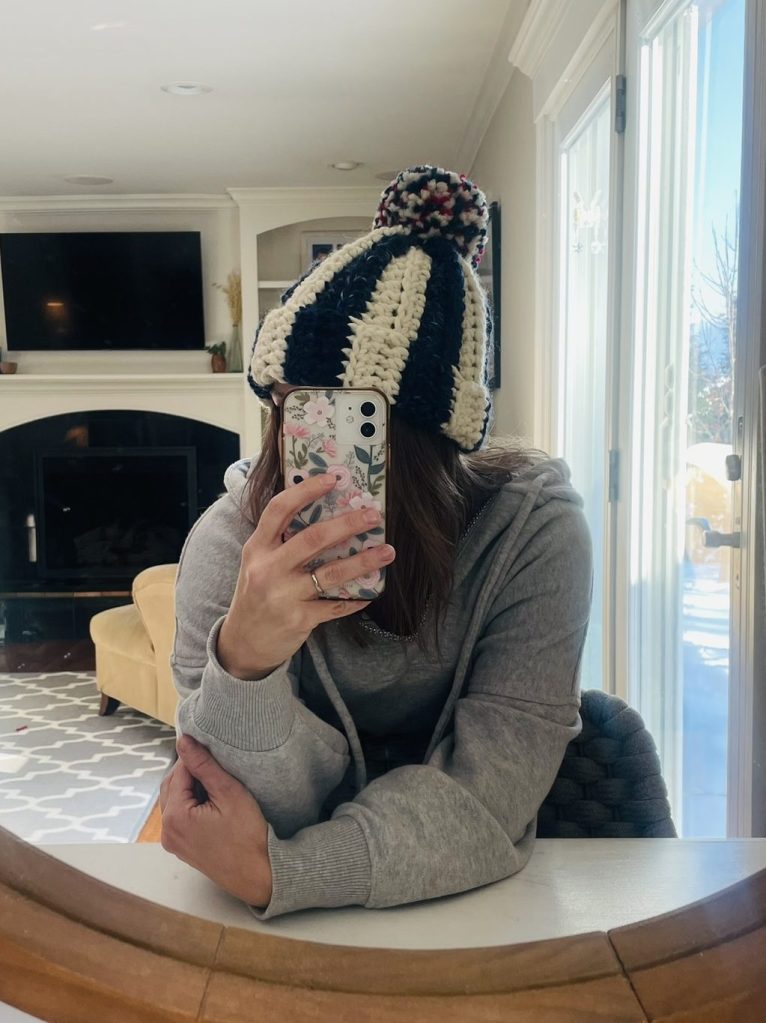
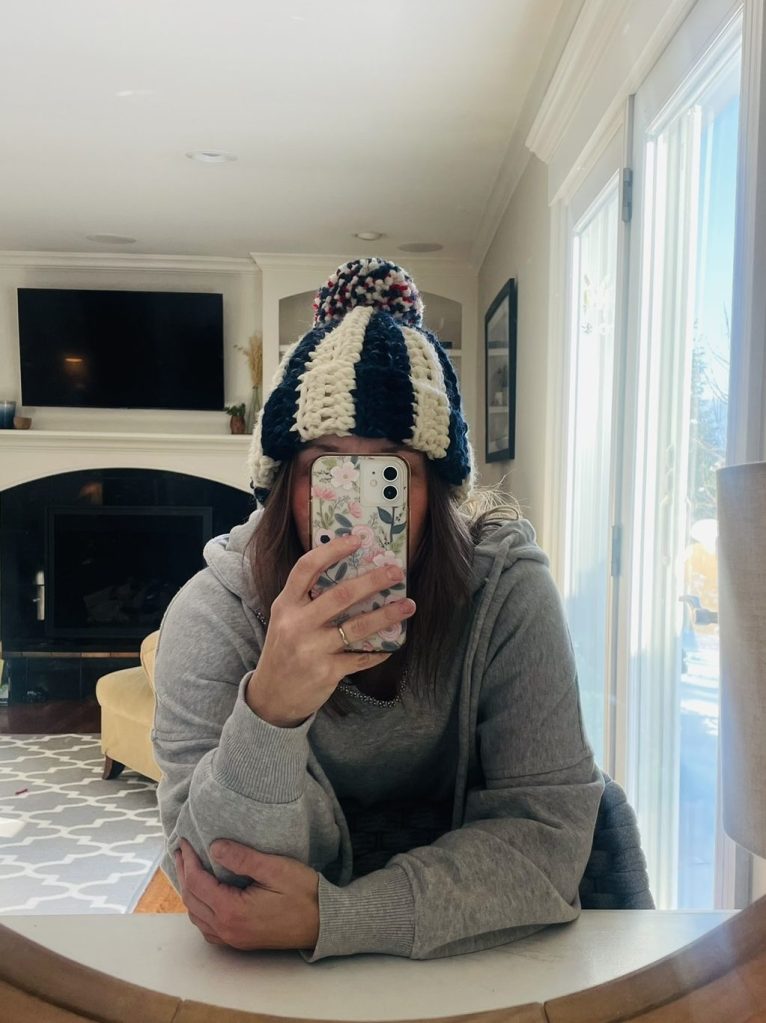
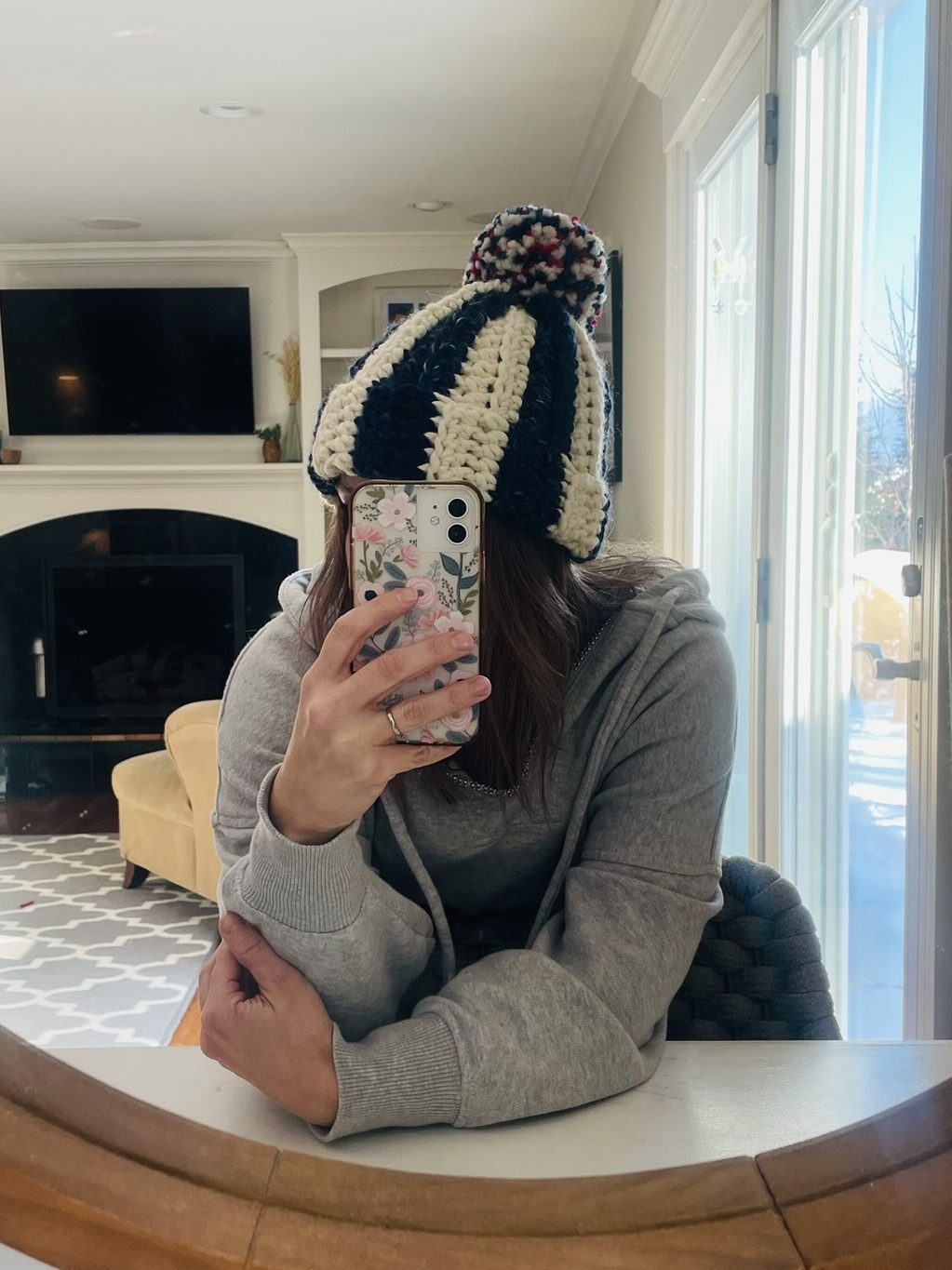
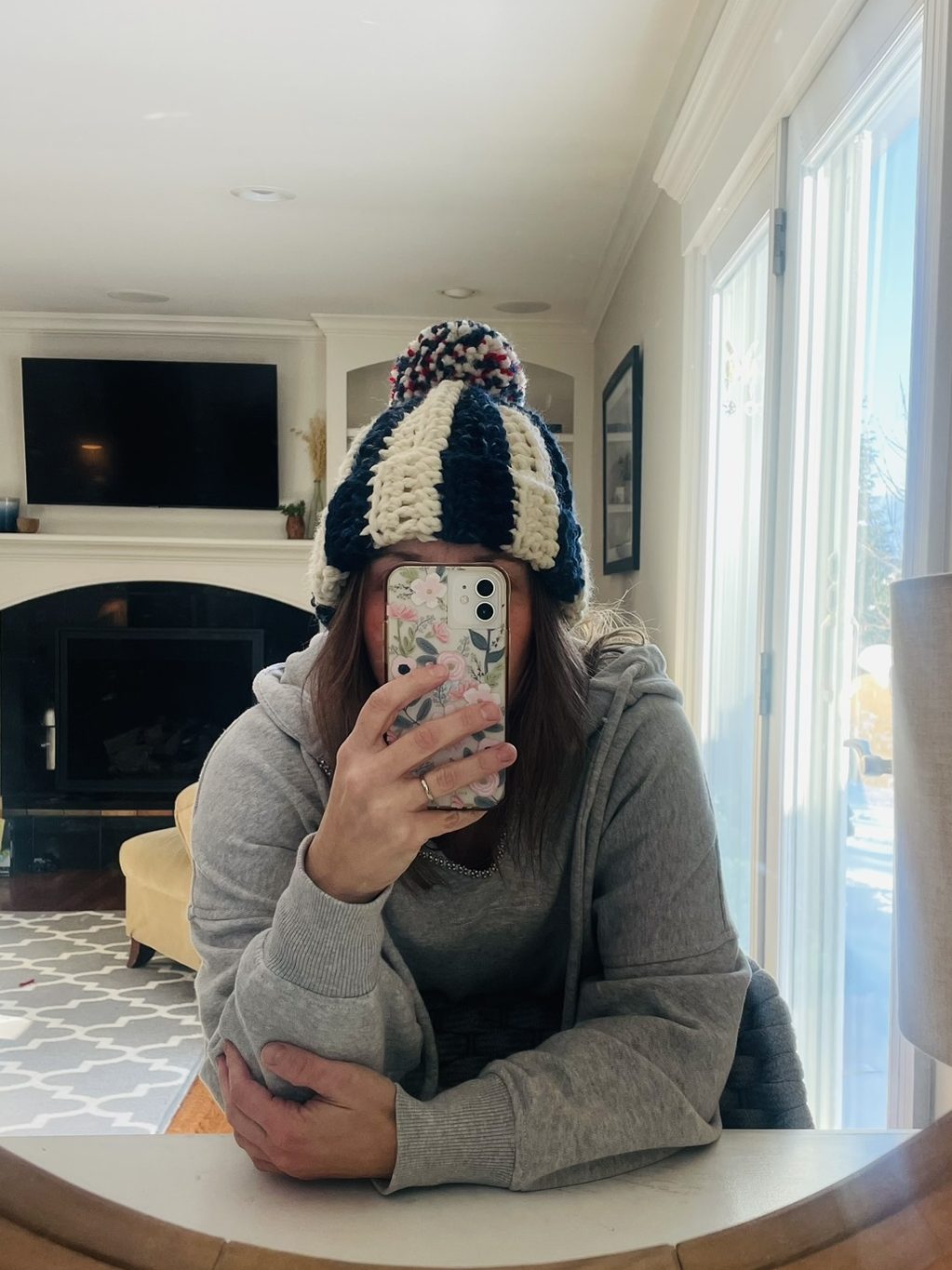
Picture this: you’re driving home on the Mass Pike with an iced coffee (Dunkin, duh), riding the T with your AirPods in and a good book in hand, or packed into a Super Bowl watch party with friends. Whichever the scene, you’re warm, cozy, cute, and repping your team in a hat you made by YOU.

Before Super Bowl Sunday gets here, skip the mass-produced options (they’ll be picked over soon anyway) and make something you actually want to wear.

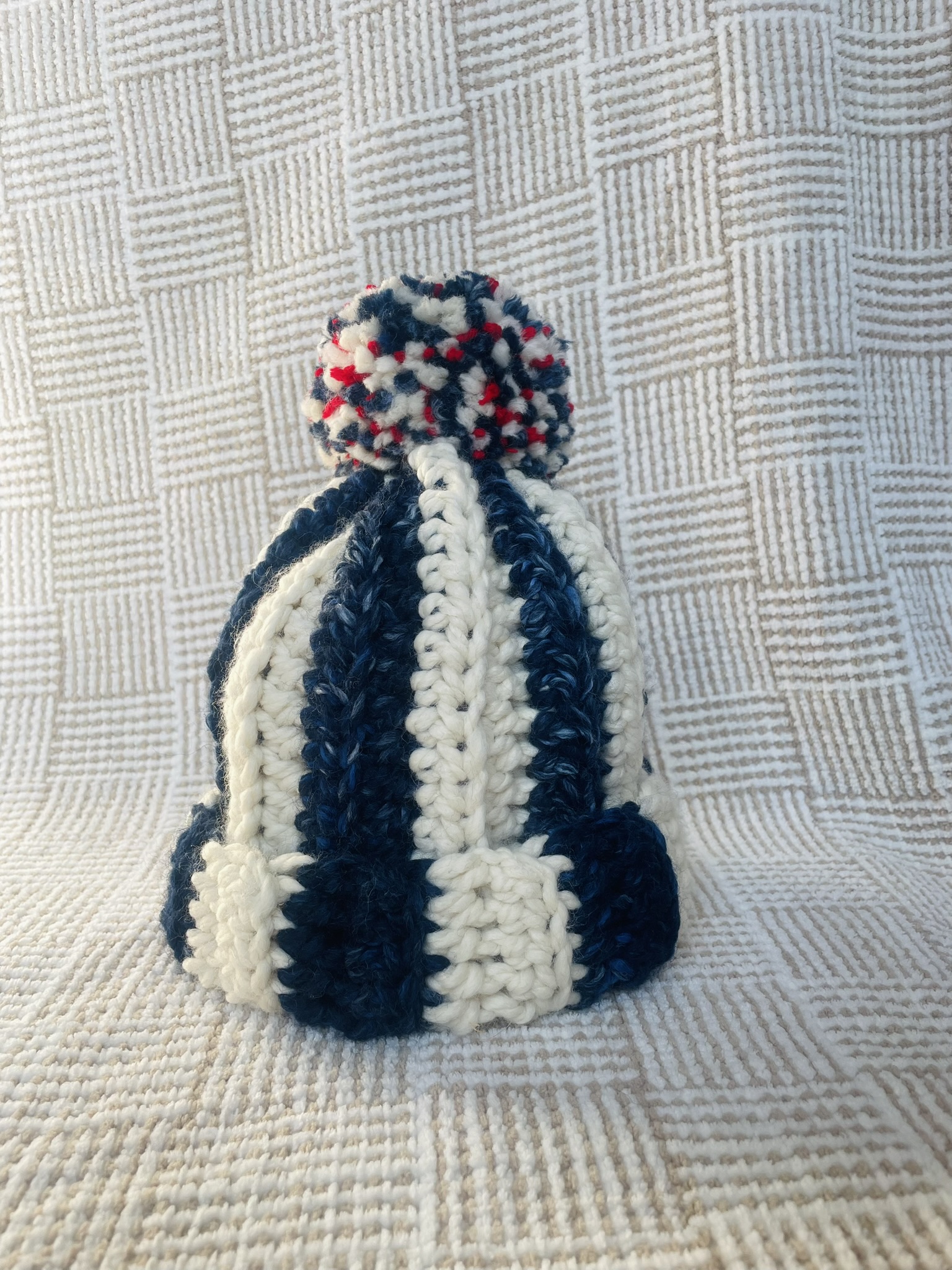
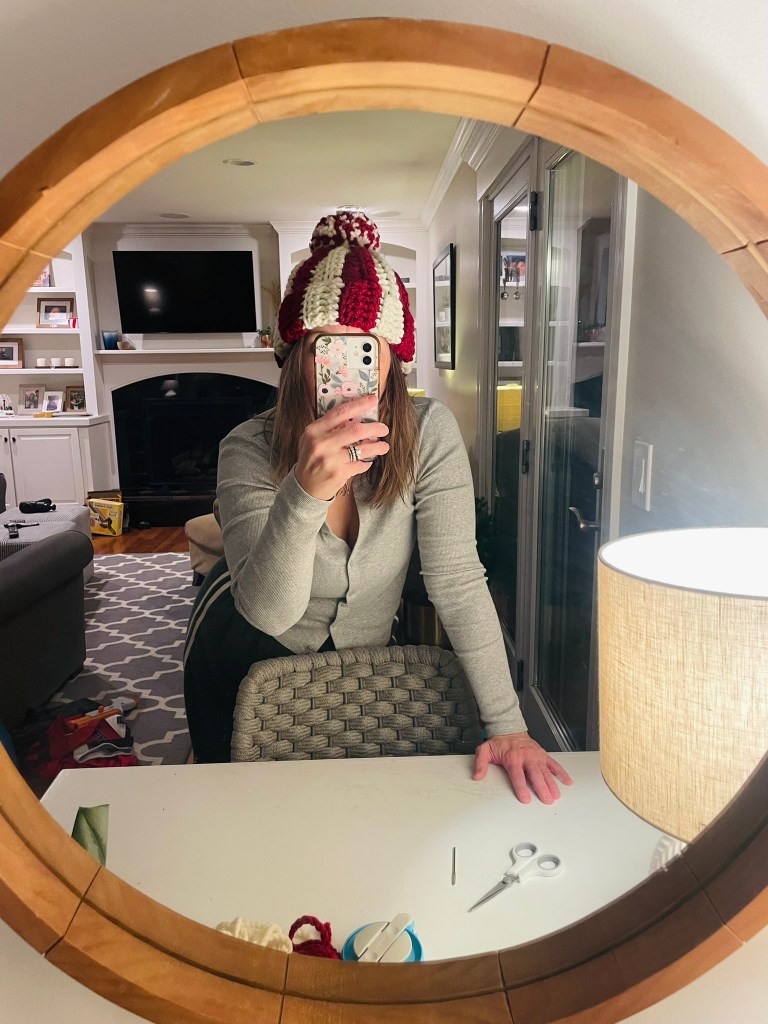
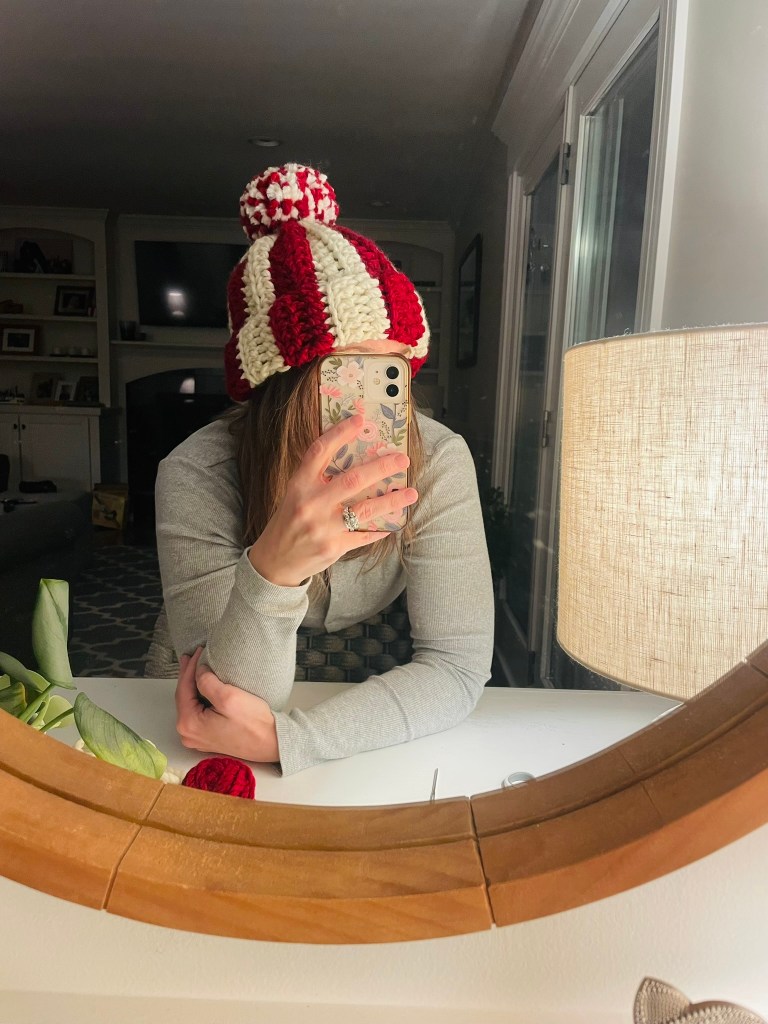
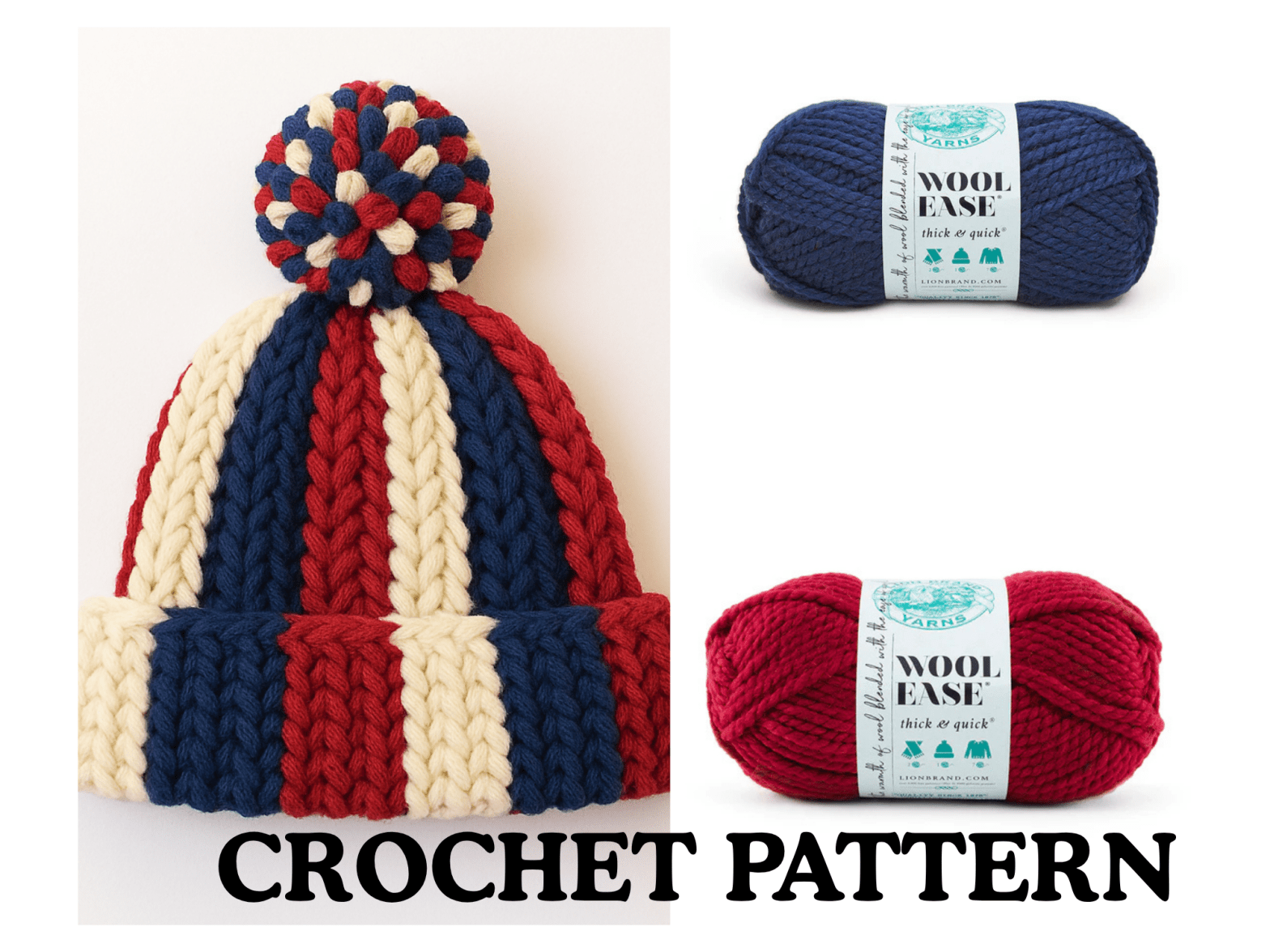
I customized my favorite hat pattern in classic Patriots colors. One of my favorite things about this hat is its warm 80% acrylic, 20% wool blend. Another thing is how flexible the color options are, like:

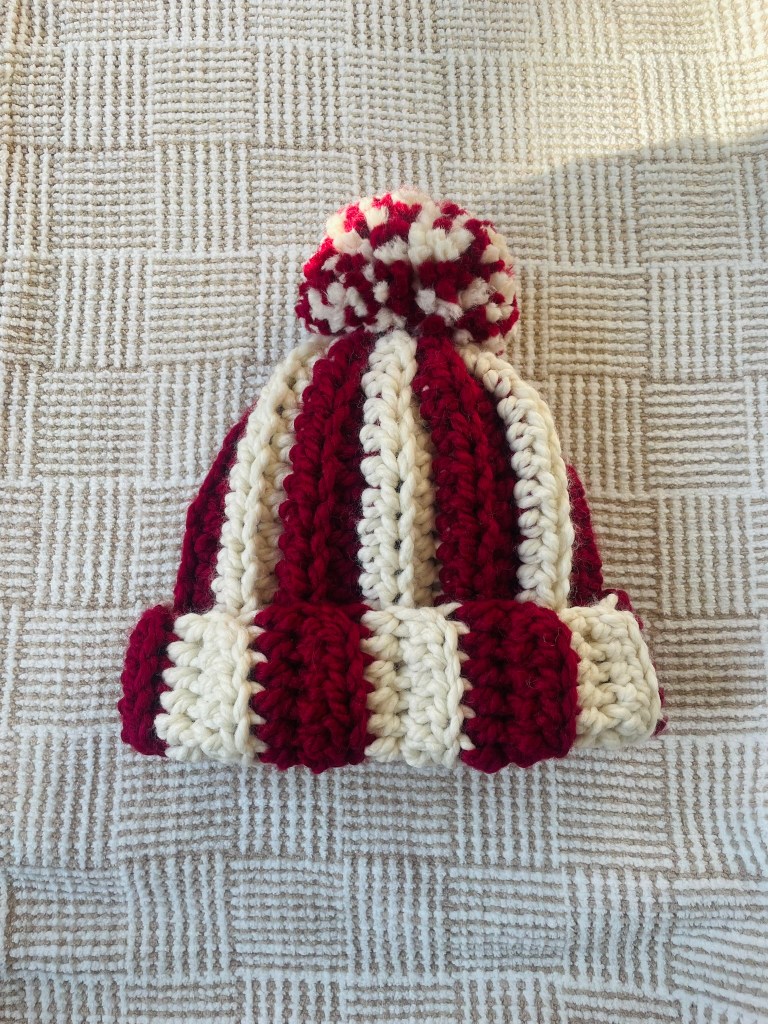
  • ❤️🤍 Red and white stripes
  • 💙🤍 Navy and white stripes
  • ❤️🤍💙 Or all three colors alternated

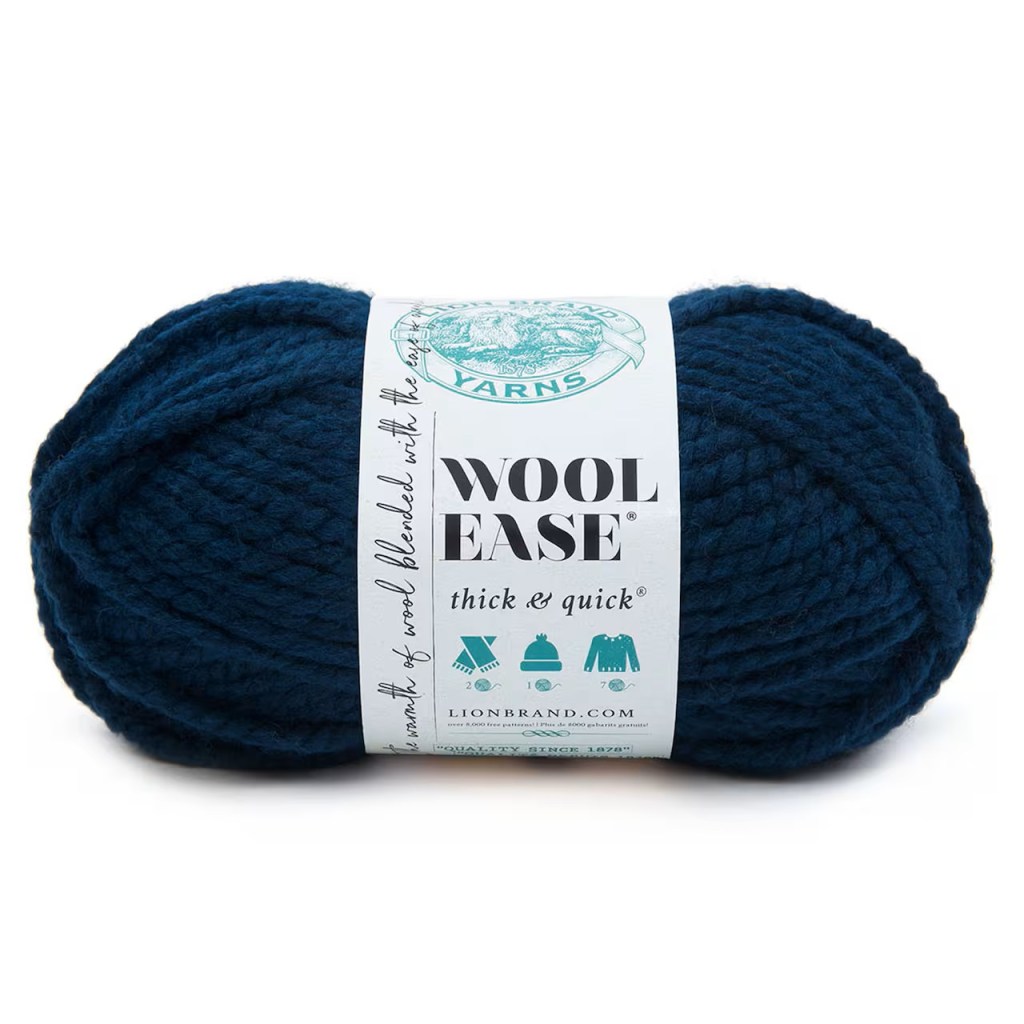
When it comes to yarn colors, you have options. I like Fisherman for the off-white color and River Run or Petrol for the blue. River Run is a variegated yarn that is described as “a moody palette of navy, royal blue, denim, and icy blue tones.” If you want a solid color instead, I recommend Petrol.

For the red, use Cranberry for a muted vibe. Or, if you go with blue + white stripes for the hat and just want a touch of that Patriots’ red, use scrap red yarn for the pom pom only. You won’t need much. It gives a fun pop without being too red and veering into USA-themed territory. Save that for an Olympics hat!

The hat is topped off with my favorite detail: a dense, full, extra-fluffy pom pom. I think I spend more time trimming the pom pom to a perfect sphere than crocheting the actual hat.

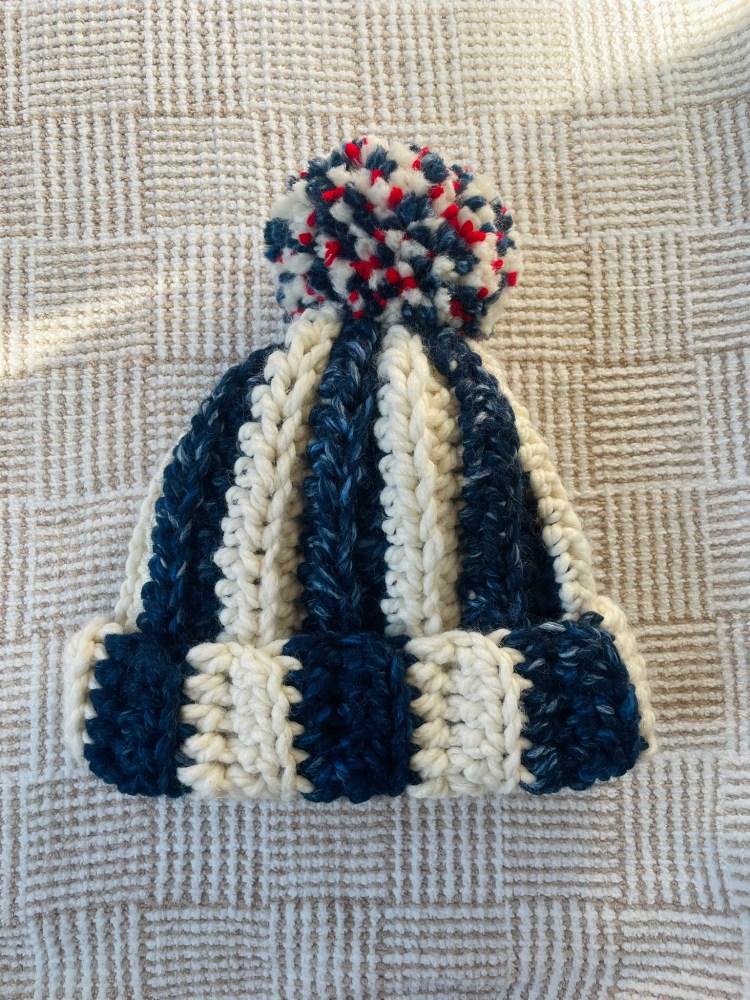
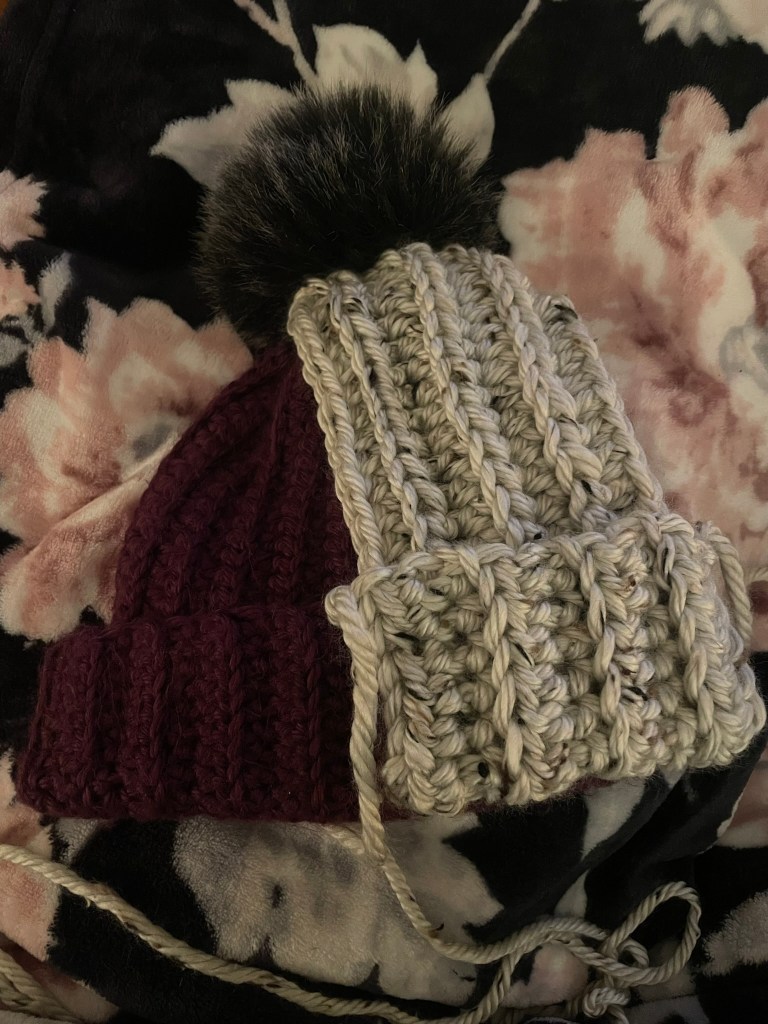
Image of the Patriots inspired crochet hat portion completed
If you don’t like the variegated look of River Run, use the color Petrol

For Pats Fans Everywhere

Whether you live in Massachusetts, Rhode Island, Vermont, even Ohio – and love the Patriots, this hat is for you. Make it, wear it proudly, and get that good Super Bowl juju going.

👉 Check out my crochet pattern on Etsy here:
https://www.etsy.com/listing/4447230528/new-england-patriots-crochet-hat-pattern

It’s beginner-friendly and experienced crocheters will whip this up in no time. You can easily make the hat in a day or an evening.

Once you make your hat, tag me on Instagram @nickibyrnescrochet. I need to see which color combo you chose!🧶🏈

How I Recreated a Favorite Hat Without a Pattern

By Nicki Byrnes

January 21, 2026

This project started with a finished hat and a simple question: can I remake this without a pattern and in a new yarn?
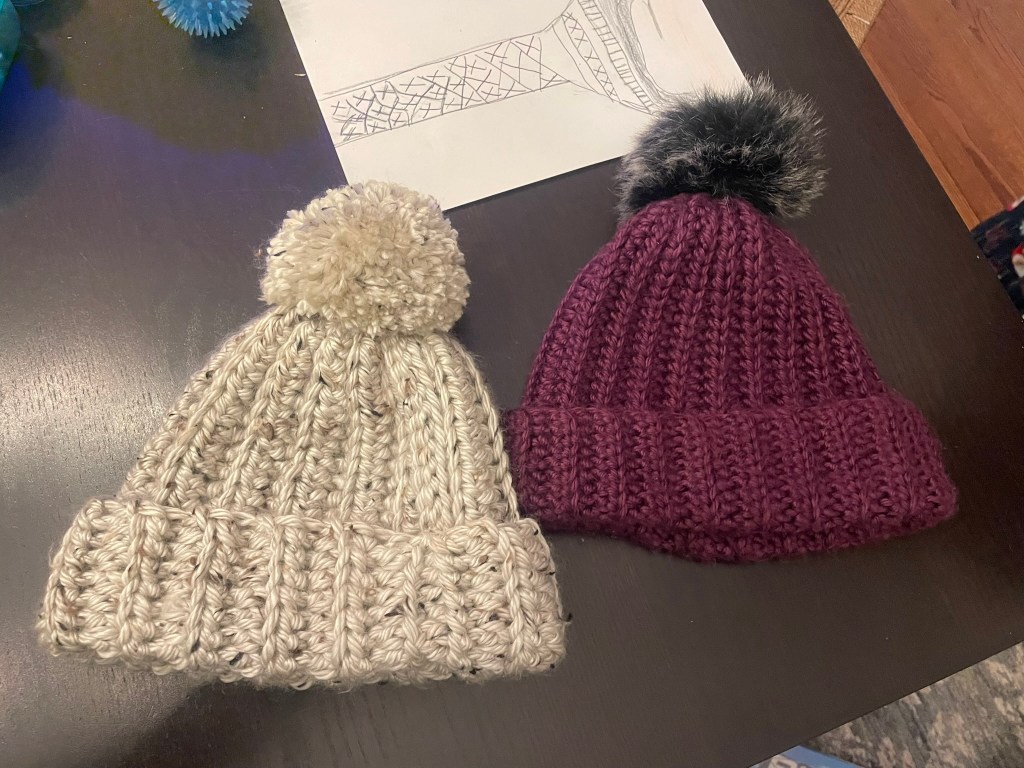

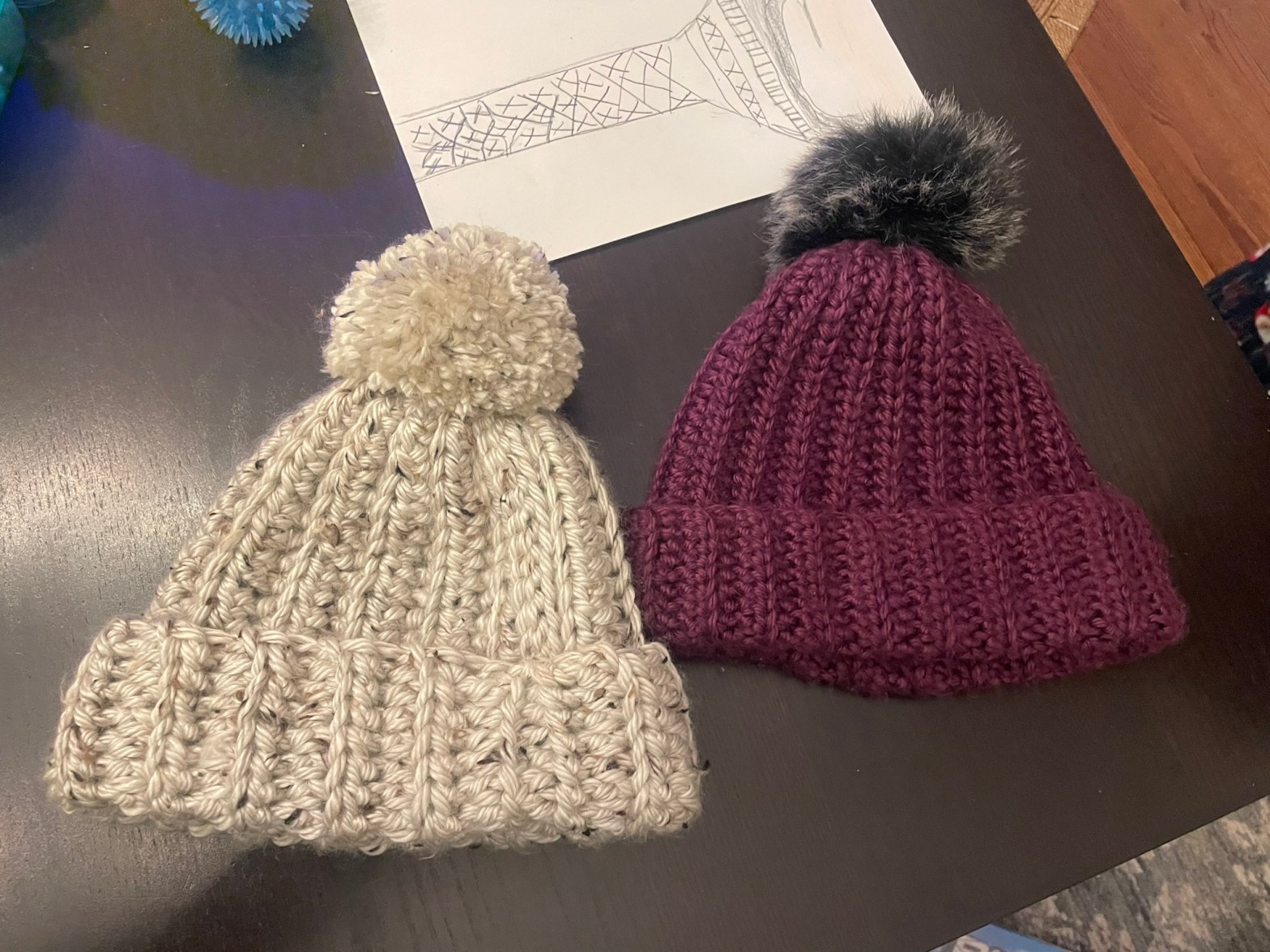
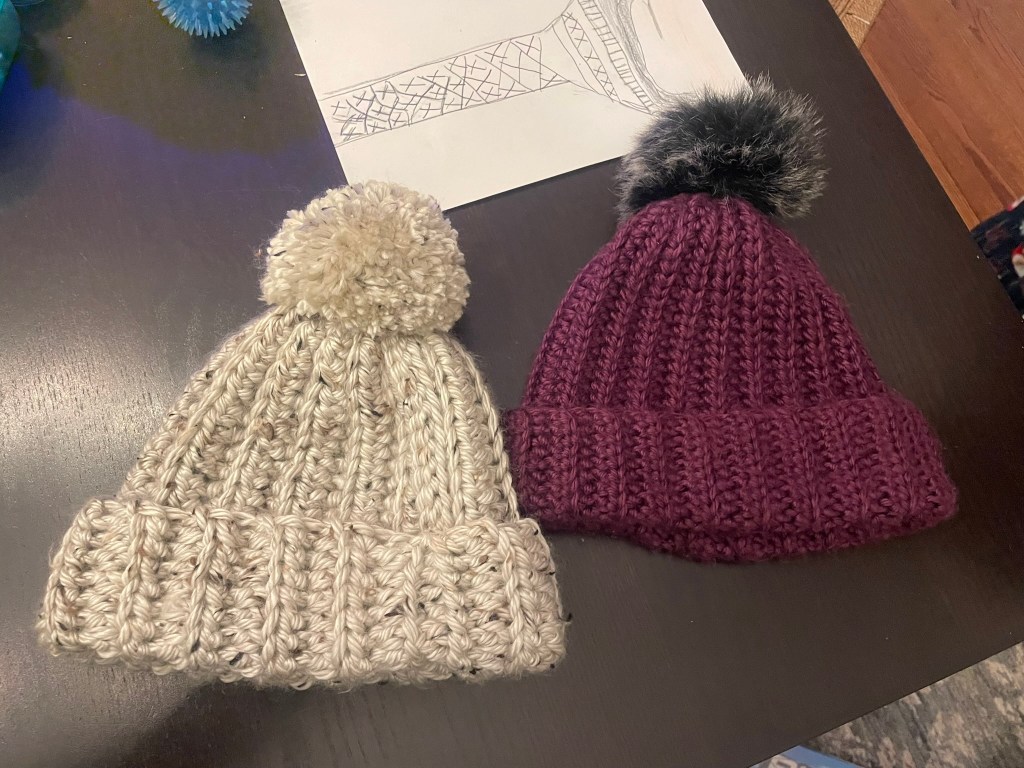
Years ago, I crocheted my friend the purple hat below for her January birthday. She’d mentioned that hats are always too loose on her head, so I made her one on the smaller side of average in one of my favorite yarns (that sadly doesn’t exist anymore!). The average adult head circumference is about 20–22 inches, so I made it 20″ around, once slightly stretched.

The hat fit perfectly and she wears it every winter. I can confirm this as her neighbor!

Same Fit, Different Yarn

This year, she asked for a second hat in the same size. She chos Lion Brand Hometown yarn in Aspen Tweed from Michaels. It’s super soft and has a slight sheen to it.

The original hat was made with a size 5 bulky yarn and Hometown is a size 6 super bulky, so I knew I’d have to make some adjustments to the stitch and row count of the original design in order to get a hat the same size. But I knew it’d be an easy challenge.

Using the Hat as the Guide

To make this hat (or should I say remake), I could have looked up a pattern. Or, I could have counted the stitches and rows of the original, made a swatch with the new yarn, and used that to calculate how many stitches and rows the new hat would need to be to match the original hat’s size. Instead, I used the original hat as my guide.

This hat design is just a rectangle seamed together. To determine the foundation row length (or stitch count), I matched the original hat from the top (under the pom pom) to the bottom of the brim (unfolded). I started with a slightly longer foundation row, knowing it would tighten as rows were added. I chose to go down one hook size from the yarn label recommendation to get a tighter fabric since it’s a winter hat – warmth and a cozy fit are top priority.

I matched the length of the original hat, plus a couple of extra stitches.

I continued to work rows in a simple two-row repeat:

  • Half double crochet
  • Half double slip stitch

Once I had a rectangle that measured about 11″ x 17″-18″ (which was 20″ gently stretched), my crochet work was done.

Planning for Stretch

A note about stretch – because the hat was constructed as a rectangle and then seamed, I didn’t crochet a piece that measured 20 inches flat. That would be too big on the head. I made a rectangle closer to 17-18″ wide so it was 20″ once slightly stretched and a snug fit. This is called ease.

In crochet, ease is the difference between your measurements and the finished piece. It’s what controls how a hat, sweater, or any garment fits. Positive ease gives a roomier fit (think cozy sweaters), negative ease makes things snug (like socks or a fitted hat), and zero ease hits the measurement exactly. The Craft Yarn Council breaks this down with terms like “close-fitting,” “standard,” “loose,” and “oversized,” showing how many inches to add or subtract for the look and comfort you want.

Seaming and Finishing

With my rectangle height and width reached, it was time to sew it closed. With the wrong side facing out (meaning what will be the inside of the hat), I seamed the hat sides together with a yarn needle and mattress stitches through the back loops (the ones furthest from you) of corresponding stitches.

The end of the row is the top of the hat, so I ran my yarn needle through every other stitch along one long edge. I pulled the hole closed and secured it, turned the hat right side out, and added a pom pom.

The original purple hat had a faux fur pom pom, but I gave this one a yarn pom pom. I like dense, full yarn pom poms that match the hat. You can read how I create these textured pom poms and the tool I use to make them in my blog post, How to Fix a Crochet Hat Pom Pom.

The last step was to weave in all ends, trim them, and fold the brim up!

Why This Approach Works

This wasn’t about digging up an old pattern or finding a new one to replicate the original hat. Patterns are useful, but sometimes the best blueprint is a piece you’ve already made.

This project was about understanding hat construction (a basic rectangle seamed together), ease (called negative ease to create the snug fit), sizing (nailing a finished fit that’s on the small end of average), and adjusting stitch and row counts for a different yarn weight (the original was a size 5 bulky yarn and the new hat was a size 6 super bulky yarn).

You can see the finished hat below and take a walk with me to deliver it to my friend’s porch in this video on Instagram. She loves it! And with it being her birthday month + freezing temperatures this week, the timing worked out well.

Tell me: Do you have a go-to crochet pattern that you love to make, and make again?

How to Fix a Crochet Hat Pom Pom (Easy Pom Pom Repair Tutorial)

A Simple Crochet Project to Start the Year

My first crochet project of 2026 wasn’t a new design, a fresh skein, or a long stretch of uninterrupted stitching.

It was a pom pom repair.

Yep. Just a pom pom.

And it turned out to be exactly what I needed to kick off the year.

When a Crochet Pom Pom Needs Fixing (Thanks, Dog 🐶)

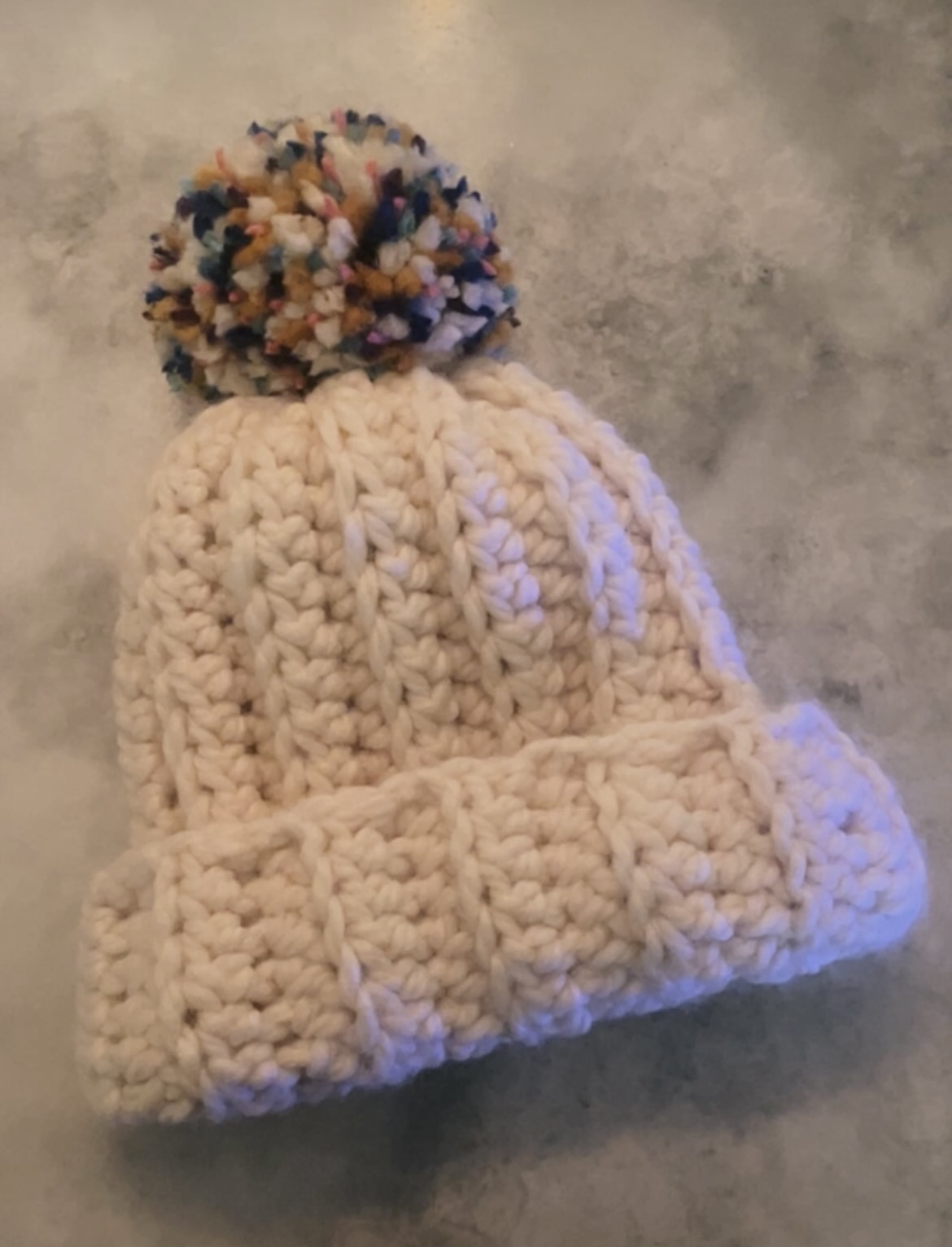
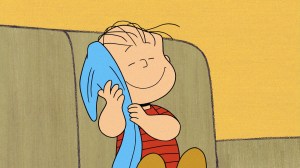
A friend dropped off her hat I made her last winter. The hat itself was perfectly intact, but the pom pom? Not so much. Her dog had chewed it until only a few sad strands remained — Linus-from-Charlie Brown style.

Wonder if that blanket was crocheted

Luckily, pom poms are easy to replace.

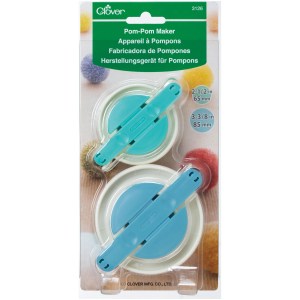
I trimmed off what was left and made a fresh one with Clover’s blue pom pom maker (bottom one in the photo below). Typically you add a pom pom while making a hat and use a long tail from the hat to attach the pom pom. But when you’re adding one after a hat is finished, the process is a little different.

I use the blue Clover pom pom maker for my hats.

How to Attach a Pom Pom Without Yarn Ends

Here’s the step-by-step:

  1. With the hat right side out, set the pom pom in place at the top.
  2. Thread one pom pom tail (meaning one of the long strands I hold in the below video after I take the pom pom out of the maker) onto a yarn needle.
  3. Insert the needle down through the top of the hat, just slightly off to one side of the center hole.
  4. Repeat with the second pom pom tail on the opposite side.
  5. On the inside of the hat, tie the two strands together with a couple of secure knots.
  6. Thread both strands back onto the needle together.
  7. Take the needle across the center hole and up the opposite side — close to the hole, but not through it.
  8. Bring the needle up through the center of the pom pom, across it, and back down through the center again.
  9. Insert the needle back into the hat near the top hole.
  10. Knot the tails together a couple of times. You can repeat the process (go across the hat hole, back up through the pom pom, over, down through the center of the pom pom, and back down into the inside of the hat) if your pom pom feels loose at all, but for the hat in this video, I only did it once.
  11. Weave in the tail ends on the inside of the hat so they are hidden and secure.
How to attach a pom pom to a crochet hat when the original yarn ends are gone.

This anchors the pom firmly and keeps it sitting right where it should.

If you want to see a visual walk-through that closely matches this process, check out this video.

What Yarn I Use for a Full Pom Pom

Using a variety of yarn widths creates a full pom pom with lots of texture.

This pom pom has a nice weight, density, and look to it because of the mix of yarn weights and colors I used:

  • Off-White (Lion Brand Wool-Ease Thick & Quick in Fisherman) — size 6 Super Bulky yarn, same yarn as the hat
  • Yellow (Lion Brand Wool-Ease Thick & Quick in Mustard) — size 6 yarn
  • Light Aqua — size 5 yarn
  • Cobalt — size 5 yarn
  • Pink — size 5 yarn
  • Purple — size 5 yarn

I like mixing yarn weights when I make pom poms, and I always anchor the pom in the same yarn the hat is made from.

For the pom pom shown above, I used two strands of the foundational color (the off-white yarn), plus one strand of each of the five accent colors. Using more of the base color helps everything feel consistent and intentional, even when the other colors are pulled straight from my yarn stash.

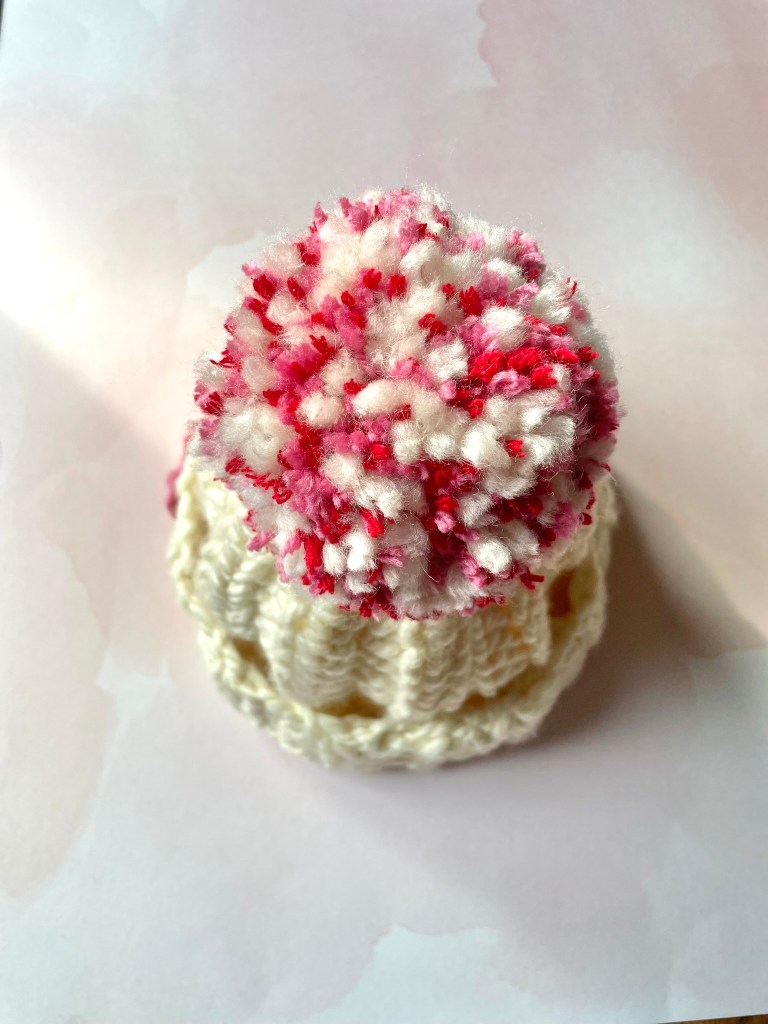
For my Valentine’s Day hat on the left below, I used one strand of size 6 off-white yarn, one strand of size 4 (or worsted weight) red, and one strand of size 4 pink.

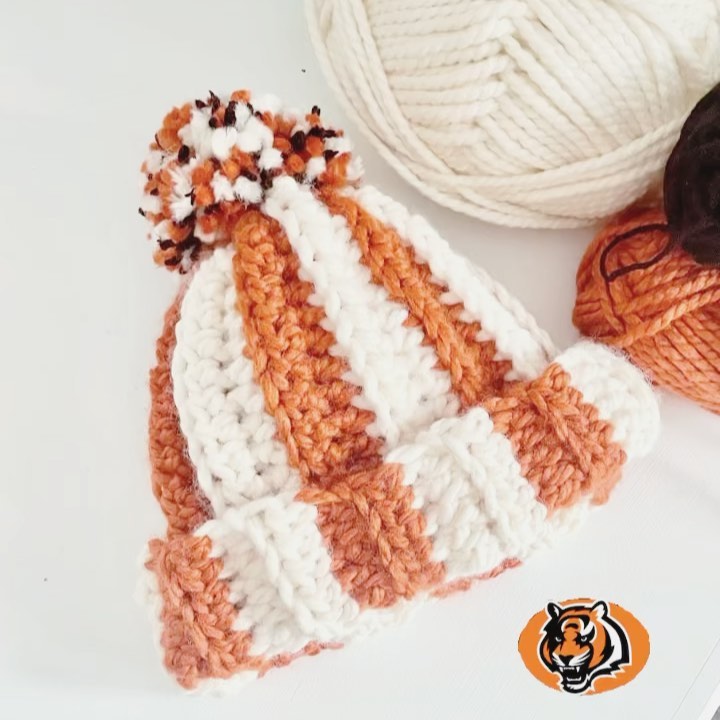
For the hat on the right, I used one strand of size 6 off-white, one strand of size 6 orange, and one strand of size 4 black.

Simple Hat Options If You Want to Make One

If you’d like to make this hat yourself, here are a couple ways you can one:

1. Use this striped hat pattern from my Etsy page:
https://www.etsy.com/listing/1449256294/bengals-crochet-hat-pattern-orange-white

Just don’t switch yarns when the pattern says to — keep it simple and stick to one color. I like Lion Brand Wool-Ease Thick & Quick in Fisherman.

2. Crochet a rectangle:

  • Crochet a rectangle 20–22 inches wide (to fit around the head) by 11 inches tall in your favorite stitch.
  • Thread a yarn needle with your tail and seam up the side with the hat wrong side out.
  • Once at the top, run your needle through every other stitch along one long edge.
  • Pull tight to close the top and secure.
  • Turn right side out and add the pom pom.
  • Fold the brim up and you’re done!

What I’m Crocheting Next

This little pom pom fix whet my appetite for winter hats. I’ve been inspired by rhinestones lately, so I picked up a couple packs from Michaels and Loops & Threads yarn to pair with them. I’m excited to share more once I get started!

The yarn + rhinestones I bought at Michaels, and some of the looks that have inspired me.

Follow along with me on Instagram, and sign up on my homepage to have my new blog posts sent straight to your inbox.

Lastly, Happy New Year. I can’t wait to see what the year brings!

Learning to Crochet: YouTube Tutorials vs. In-Person Classes—What’s the Real Difference?

If you’ve ever tried to teach yourself to crochet through YouTube videos or blog tutorials, I’ve been right there with you. Online resources are amazing—I wouldn’t be where I am crocheting without them. But there’s also a big difference between learning with someone beside you and piecing things together on your own.

This is a story I know a little too well.


My Own Start: Half-Taught and Half-Confused

I briefly learned to crochet from my grandma when I was around ten. She was patient, warm, and talented. But unless she was sitting right next to me, I couldn’t remember what to do and didn’t keep practicing. I did save that original swatch we would work on together all those years ago though. 👇

My Very First Crochet Swatch

A couple of decades later, determined to figure it out after being inspired by the book Growth Mindset, I went the self-taught route. I used YouTube videos, online written tutorials when I needed clarification, and very basic patterns to get my footing. The books I found confused me, so I stuck with formats that worked for me: demonstrations I could replay a hundred times and written steps with photos for specific trouble-shooting.

Those tools carried me far. But I wanted to refine my skills and learn how I could help others pick up the craft quicker. Specifically, I wanted:

To know proper technique.
To understand what order steps should be learned in.
To hear the best method people should learn so that the process is not daunting or overwhelming, as it seemed to me for so many years before I finally committed and dove in.

Sound familiar?


Why I Became a Certified Crochet Instructor

I turned to the Craft Yarn Council—the people who literally set the industry standards—and completed their Certified Crochet Instructor Program.

The process required me to follow their proven process and create samples of many foundational stitches. Each sample had to be reviewed by a professional (mine was a published crochet author!).

I saw how simple it could be to teach others in a way that felt clear, supportive, and actually enjoyable. So, I taught at local yarn shops, led workshops for Girl Scouts, worked with returning crocheters, and guided countless brand-new beginners. Along the way, I’ve collected teaching tips and techniques that only come from real experience—both teaching myself and teaching others.


A Story That Shows the Difference

A student walked in to my class at a local yarn shop with a swatch she had made while teaching herself on YouTube. She had clearly worked hard and I applauded her efforts, but it was a little chaotic—crooked edges, uneven tension, and rows with a different number of stitches each time. All extremely common for self-taught beginners.

During our class, she used her swatch to implement my steps and methods. She built on her swatch and the difference between what she came in with and what she made during class is remarkable. Here it is below:

Crochet project showing uneven beginner stitches made from YouTube tutorials next to a neat, even swatch created after an in-person lesson.
From “I learned this on YouTube…” to clean, straight rows my student was proud of. A little hands-on guidance makes a huge difference.

The top portion of the swatch was clean, even, and much more consistent. She understood the basic mechanics already—she just needed guidance on:

  • how to hold the yarn for ideal tension
  • how to count stitches so her rows are even
  • how to turn properly so her edges are clean

Once those pieces clicked, the improvement was pretty instant.

Seeing the difference between the two halves summed up why in-person learning can be such a game changer.


So… Online or In-Person? Which Is Better?

Both. They don’t have to be mutually exclusive.

Online learning is great when you:

  • want to replay steps
  • need a visual refresher
  • prefer learning at your own pace
  • enjoy experimenting on your own

I still watch videos. I still reference tutorials. They’re incredibly valuable.

In-person learning is irreplaceable when you:

  • want someone to teach you proper technique or correct yours in real time
  • need help understanding foundational elements like how to count stitches, where to turn, how to read a pattern, etc.
  • want your tension to be smooth and consistent
  • get stuck and don’t know what question to even ask
  • feel more confident learning beside another human

Think of videos as a tool. Think of in-person instruction as the foundation.

When you combine them, your progress will skyrocket.


Why Crochet Has Me Forever Hooked

Crochet has been one of the most meaningful creative outlets in my life. Whether it’s designing a sweater for a magazine, writing a pattern for Etsy that helps someone recreate my design, making a heartfelt gift, or just treating myself to a cozy new winter scarf, it’s a craft that brings me joy.

It sustained me through tough seasons, like during the pandemic when my hands and mind needed something to keep me busy. And it connects us to generations of makers who came before us. I feel honored to carry it on and to help others discover the same purpose.


Ready to Learn the Right Way?

If you’re thinking about learning to crochet—whether in person or online—I can’t recommend taking a class enough. I highly recommend students go home and watch videos like mine for extra reinforcement, but having someone guide you through your very first stitches makes all the difference.

You can learn more about my crochet lessons and explore my beginner-friendly tutorials here: https://nickibyrnescrochet.com/crochet-lessons/.

I’d love to help you build a strong, confident start. And who knows—your “before and after” swatch might be the next one that stops me in my tracks.


If you’re ready to get started, check out my article for the tools you’ll need: Essential Crochet Tools for Beginners: What You Really Need to Start Crocheting.

Essential Crochet Tools

Essential Crochet Tools for Beginners: What You Really Need to Start Crocheting

By Nicki Byrnes – Crochet Instructor & Pattern Designer

If you’re brand new to crochet, you may be wondering: What tools do you actually need to crochet? You’re not alone! A common challenge for beginners is figuring out which crochet tools and accessories are essential—and which ones can wait.

Below, I’ve put together a beginner-friendly guide to crochet tools, yarn, and accessories. I’ve also included a list of “nice-to-have” items that make crocheting easier and more enjoyable as you progress. At the very end of this post, you’ll find links to my recommended tools.

These crochet essentials also make a fantastic holiday gift—perfect for someone interested in learning, anyone who loves crafting, or a friend who might fall in love with yarn.

A full list with links is included at the end of this post. Pro tip: thrift stores and creative reuse shops often have hooks, yarn, and notions at budget-friendly prices!


1. Yarn: Your First Crochet Supply

Let’s start with the most essential (and fun!) item in your toolkit: yarn.

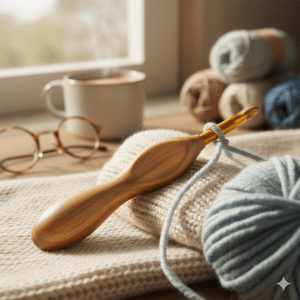
Flat lay of crochet hook and yarn
Soft, beginner-friendly worsted weight yarn — perfect for learning your first stitches and building confidence as you go.

Best Yarn for Beginner Crocheters

For your first project, I recommend worsted weight yarn. It’s affordable, easy to find, and available in many colors. You can find beginner-friendly options at Michaels, Hobby Lobby, Walmart, or online through craft stores and yarn-brand websites.

Supporting local yarn shops is also wonderful—they carry higher-end fibers, but staff can usually point you toward beginner-friendly or more affordable options. And don’t overlook creative reuse centers! Perfect for beginners who don’t need multiple skeins of one color (although I did buy 4 identical skeins once). A quick Google search will show you local options. I wrote a blog post about why these stores are such gems—you can read it here!

Why Medium (4) / Worsted Weight Yarn is Perfect

Choose a yarn labeled Medium (4), also called worsted weight. It’s the most beginner-friendly for several reasons:

  • Easy to see stitches: The medium thickness makes it easier to spot mistakes. Light or neutral colors improve visibility even more.
  • Good for your hands: Not too thick or heavy, making it comfortable for longer sessions.
  • Versatile: Works for scarves, blankets, sweaters, toys, and more.
  • Accessible: Widely available at craft and yarn stores.
  • Forgiving: Smooth, balanced texture creates a sturdy but not overly dense fabric.

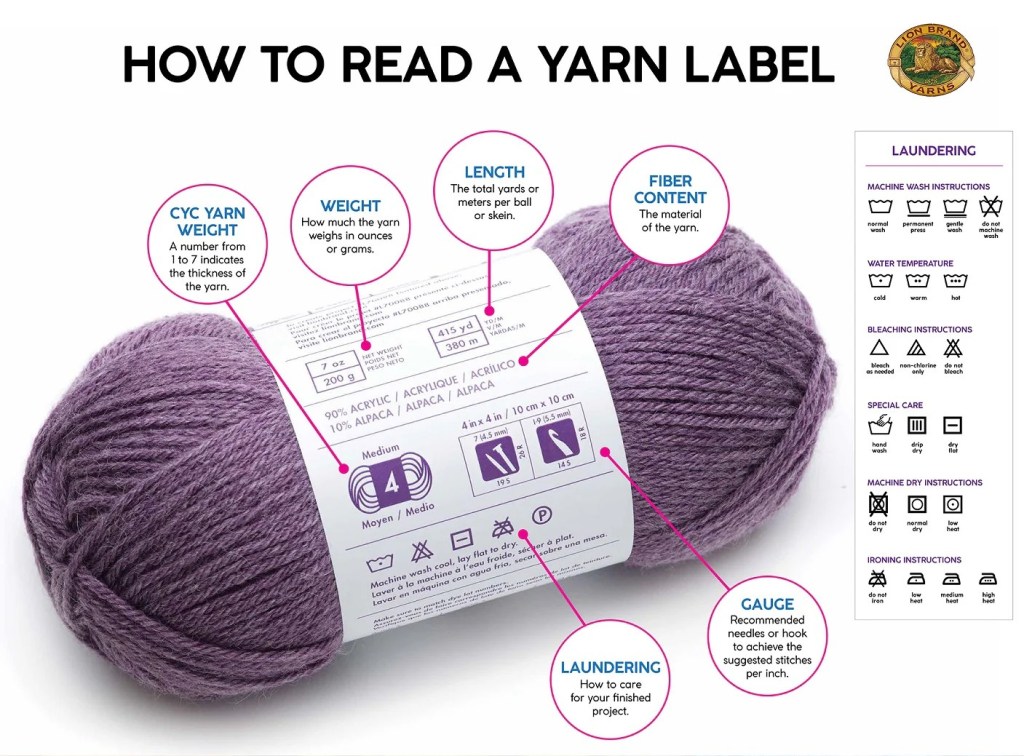
A Quick Guide to Yarn Labels

Yarn labels can feel overwhelming at first. Here’s what to look for:

  • The number (such as “4” on the yarn icon below) tells you the yarn’s thickness.
  • The crochet hook icon shows the recommended hook size for that yarn weight.
  • The numbers around the hook icon represent the gauge—how many stitches and rows you can expect in a 4″ x 4″ swatch using the suggested hook and yarn.
  • Labels also include other helpful details, such as laundering instructions, yardage, fiber content, and more
Image of a yarn label
The yarn label is your best guide — look for weight, yardage, fiber content, and the recommended hook size to set yourself up for success.

2. Crochet Hooks: The Other Essential Tool

Ergonomic wood crochet hook
A simple hook makes all the magic happen.

The crochet hook size you use depends on the thickness of your yarn. Thicker yarn = larger hook.

Crochet hooks list both a US size and metric size (for example: H-8 / 5.00 mm). Check your yarn label for the recommended hook.

If you’re working with Medium (4) yarn, the following hook sizes are ideal for beginners:

  • H-8 / 5.00 mm
  • I-9 / 5.25 mm

These sizes are comfortable, easy to learn with, and perfect for beginner projects.

Recommended Hook Options

  • Individual aluminum hooks
  • Aluminum crochet hook set
  • Ergonomic crochet hook set (great for comfort and reduced hand strain)

All of these can be found at Michaels or online.


3. Nice-to-Have Crochet Tools

As you grow as a crocheter, these tools can make your life easier.

Flat lay of crochet tools and accessories
A few helpful extras — scissors, stitch markers, yarn needles, and tape measure — small tools that make big differences as you learn.

Optional Crochet Tools & Accessories

  • Super bulky yarn (Weight 6) — some new crocheters benefit from thicker yarn that’s easier to see. I especially find this true with younger learners who have little hands.
    • Try: Lion Brand Wool-Ease Thick & Quick
  • L / 8 mm or N / 10 mm hook for super bulky yarn (remember to check the yarn label)
  • Sharp smaller scissors
  • Heavy-duty scissors for trimming pom-poms
  • Tapestry / yarn needles for weaving in ends
  • Retractable measuring tape
  • Stitch markers
  • Clover pom-pom maker
  • Project bag or tote
  • Accessory pouches for hooks and notions

A Note on Project Bags and Totes

As your yarn stash and crochet supplies grow, you’ll want a way to store everything neatly. Whether that’s a shelf, a plastic bin with a lid, or a soft storage bin is up to you.

Then, I like to carry my current project in its own bag, along with:

  • The crochet hook I’m using
  • My accessories pouch with scissors, yarn needle, stitch markers, and measuring tape
  • My pattern print-out and a pen or pencil for notes (like where I left off or if I altered the pattern)
  • A little extra, like hand lotion and chapstick, just because

If I’m working on multiple projects at once, I use a couple of bags to keep things organized. Everyone has their own process though, and when you’re starting out, one project bag is perfect. At least until you start making your own bags…then go crazy!

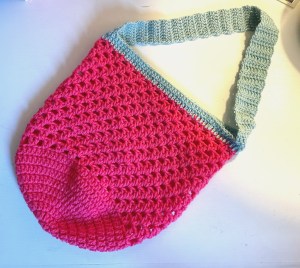
Crochet farmer's market bag
1 Skein Crochet Farmer’s Market Bag, pattern by Sewrella

4. Ready to Start Your First Project?

Unsure where to start once you have the tools? Check out my blog post, Where to Start When Learning to Crochet.

Flat lay of crochet tools and accessories
Optional accessories that keep your projects tidy, organized, and enjoyable from the first row to the last.

Ready to crochet your first crochet pattern? Start simple! My #1 recommendation is a big rectangular scarf. Just choose a width for your scarf, repeat row after row of the same number of single crochet stitches until your desired length and you will:

  • Find your rhythm
  • Develop consistent tension
  • Count stitches so your rows stay even
  • Learn how to turn at the end of each row

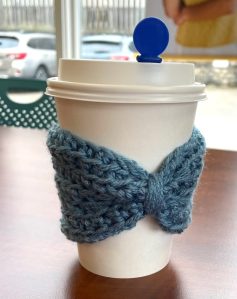
Or, try this easy and cute pattern (which is also very giftable!) Free Beginner Crochet Pattern: Bow Coffee Sleeve.

Coffee sleeve bow crochet pattern
Crochet Coffee Sleeve

5. My Full Recommended Crochet Tools Checklist

My full Recommended Crochet Tools & Accessories List is below, with links so you can see exactly what each item looks like. Feel free to share this list and my blog post!

If you have a favorite tool I didn’t mention, leave a comment and let me know.

Crochet bow coffee sleeve

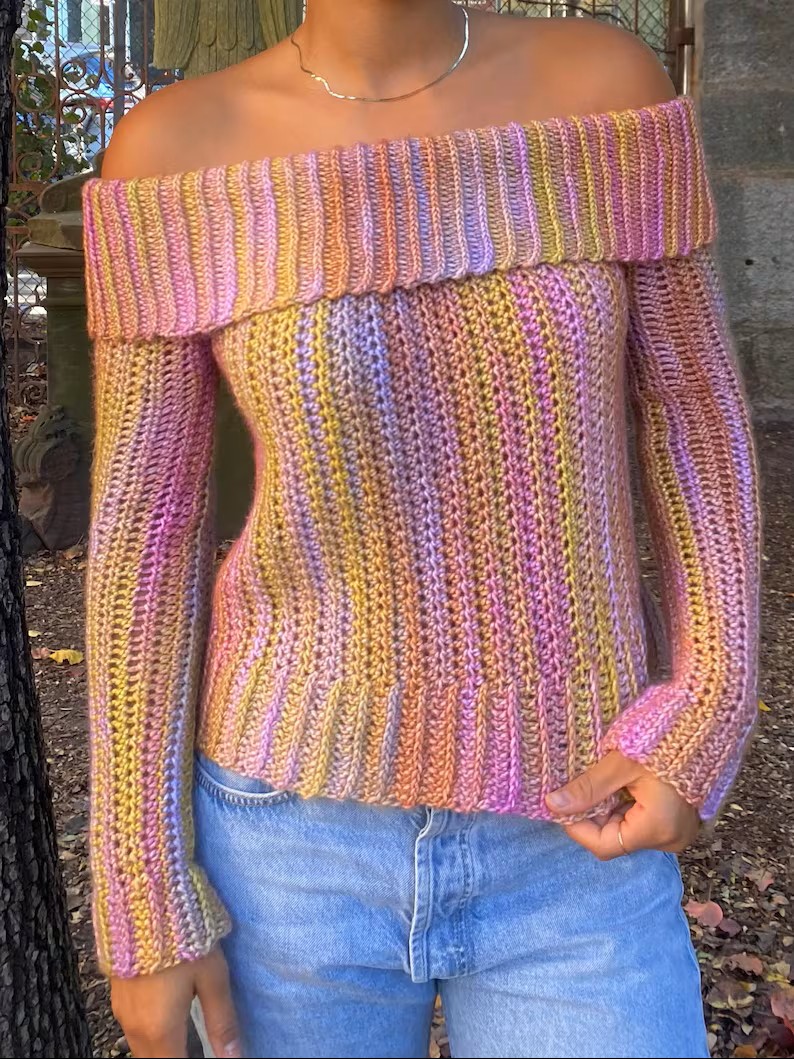
Crochet Neckline Guide: Off-the Shoulder

Here’s a version that feels warm, clear, friendly, and totally aligned with a modern crochet-teacher vibe—informative but never stiff, and easy for makers of all levels to follow.

Description

An off-the-shoulder neckline gently skims below the shoulders, showing off the collarbones and often a bit of the upper arms. It creates that gorgeous wide, horizontal line that instantly feels relaxed, feminine, and just a little bit flirty.

Use

Perfect for summer tops, flowy dresses, resort-style pieces, and any garment where you want an effortless, airy silhouette.

How to Create It

The magic of this neckline comes from keeping the top edge wide and straight. Instead of shaping the neckline the way you would for a crew or V-neck, you’re building an opening that naturally sits below the shoulders.

Construction Focus

Start by crocheting a wide, straight tube (or a wide upper bodice, depending on the design). This opening needs to be noticeably wider than a traditional neckline so it can slide comfortably over the shoulders and rest around the upper arms.

Determine the Width

Make sure your starting circumference is large enough to stretch over the shoulders without squeezing—but not so loose that it slips down. The goal is a soft, comfortable drape that stays put.

Maintain a Straight Edge

Work the bodice straight up with no neckline shaping. Keeping the upper edge even and horizontal is what gives this style its signature off-the-shoulder look.

Ensure a Secure Fit (the secret sauce!)

Because yarn alone won’t hold the neckline in place, a bit of hidden support makes all the difference:

  • Elastic Method:
    Weave thin elastic through the top row. Gently cinch until the opening rests securely around the arms and shoulders, then knot or sew the elastic ends.
  • Drawstring Method:
    Crochet a slim cord and weave it just below the top edge. This lets the wearer adjust the fit—tighter for a secure hold or looser for a breezy, relaxed vibe.

Either method keeps the neckline beautifully in place without changing the soft, slouchy feel.


Quick Crochet Gifts to Start Your Holiday Making

By Nicki Byrnes

November 12, 2025

If you like to make some (or all) of your holiday gifts each year, here’s your friendly reminder to get started. The holidays always seem to sneak up, and the early snowfall here in Ohio was my cue to grab some yarn and start planning.

To make things easier for you, I’ve rounded up a few of my favorite quick and easy crochet patterns, perfect for gift giving or just easing into the cozy season. Whether you’ve been crocheting for years or you’re still learning, these projects are fun, fast, and satisfying to finish.

Quick and Easy Crochet Patterns for the Holidays

1. Bow Coffee Sleeve
This simple project is beginner-friendly and great for gifting. Slide it onto a reusable cup and pair it with a coffee shop gift card. Thoughtful, handmade, and practical.

2. Chunky Twisted Headband Earwarmer
One of my go-to makes for winter. It’s warm, cute with your hair up, and works up quickly without any fuss.

3. Mini Cork Elf
A fun way to use yarn scraps! These little elves add a handmade touch to gifts or can be used as ornaments and décor.

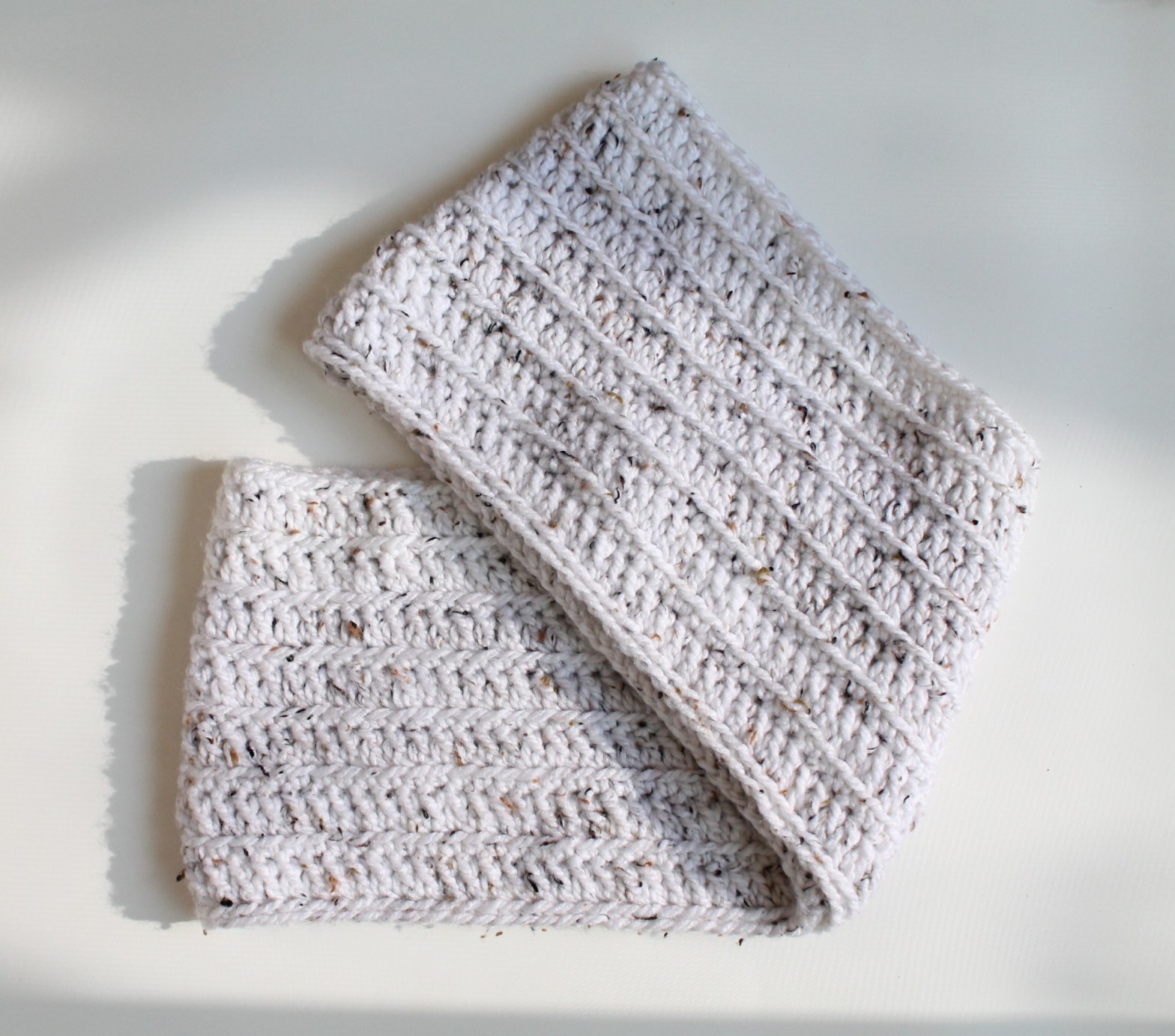
4. Chunky Cowl Scarf
Soft, stylish, and quick to crochet. The textured edge adds just the right amount of detail and personality.

5. Striped Chunky Beanie
This one’s a favorite and endlessly customizable. Try it in your gift recipient’s favorite team colors or classic neutrals. It uses Lion Brand® Wool-Ease® Thick & Quick® Solid Yarn, so there are lots of options. I would love to make a classic neutral version in Fisherman and Peanut stripes to go with a warm wool coat.

6. Mini Basket
Quick, simple, and practical. A great stash buster with lots of options to fill it with.

7. Hanging Basket
Perfect for storing craft tools, plants (fill a large empty yogurt container with soil and a little succulent), or odds and ends.

Bonus Project: Crochet Cake Tissue Box Cover

If you’re ready to take on something a little more advanced, but still approachable, my Crochet Cake Tissue Box Cover Pattern is a standout piece. Crochet whimsy at its best: practical (it really does hold tissues!) but with a playful, kitschy twist that makes people smile. It’s a great project for anyone who loves adding personality and maximalism to their décor.

Get Ready for a Handmade Holiday

Want one more thoughtful crochet gift idea? A starter set of tools for someone who’s always wanted to learn. There’s no better gift than helping someone begin a new hobby. I’ve rounded up all the essential beginner crochet tools in this post. Would you add anything to the list?

Crocheting your gifts adds a personal touch that store-bought items can’t match, and it’s a relaxing way to unwind during the busy season…if you get a head start and choose easy projects! Start now and you’ll have plenty of time to make beautiful, handmade pieces without the last-minute rush.

Here’s to a creative, cozy, and handmade holiday season!

Reuse Centers Are Shaping the Future of Craft Supply Shopping

By Nick Byrnes, March 17, 2025

Did you hear the news about Joann’s closing? Online sentiment indicates people don’t really care, and there’s a headline popping up on the news and social media that might indicate why – The Rise of Craft Reuse Centers. Now, while this might signal part of Joann’s decline, pointing to where younger crafters are shopping and the shift in their mindset, it’s more likely a part of the solution to the challenge of shrinking craft retail options.

What Are Craft Reuse Centers?

Creative or craft reuse centers are like thrift stores that sell a variety of donated craft supplies for very low prices. These gems are gaining popularity, especially on TikTok, where younger crafters share their finds and advocate for more sustainable crafting practices.

Here are a few reasons they’re gaining popularity:

  • Sustainability & Affordability: These centers sell donated, secondhand art materials at significantly lower prices, helping reduce waste while making crafting more accessible.
  • Serving Communities: Teachers, artists, and small businesses benefit from affordable supplies, and some centers even have programs that provide free materials to educators.
  • A Hub for Creativity & Connection: Many centers host workshops, community events, and even “trash fashion” shows, making them more than just stores—they are cultural and creative hubs.
  • Mission-Driven Movement: Most are nonprofits run by passionate individuals, fostering sustainability, creativity, and a sense of community.
  • Trending on Social Media: The movement has been around for decades but has gained momentum recently, especially with younger generations discovering them through TikTok.

Find A Craft Reuse Center Near You

Are you sold on them yet? We have one here in Cincinnati, a non-profit called Scrap It Up, that my kids and I have been going to for years. It’s sort of a garage sale – a thing of the past but something a lot of us loved to do as kids. Sift through craft supplies and odds and ends that sparked your imagination and cost practically nothing. My kids loved the random treasures they would find. It’s the thrill of the hunt combined with little to no impact on your budget or the environment.

I’ve found hooks, pattern books, and yarn at Scrap It Up, either in the original packaging or wound into balls. You pay for yarn by the pound 🤯 As a crochet instructor, I teach classes at local rec centers during the summer and often provide yarn and hooks to students who want to practice at home but may not have access to stores like Michael’s. If you teach, I highly recommend stocking up at reuse centers to give to eager students.

Another great option downtown Cincinnati is Indigo Hippo, which I would say serves the DAAP/college-age Clifton crowd. Prices are a little higher than Scrap It Up, but it also has more of a traditional retail vibe. Scrap It Up feels like you’re shopping grandma’s basement. In the best way!

To find your closest store, search “craft reuse center near me” or try this directory on Indigo Hippo’s website.

The Future of Crafting: Sustainable, Affordable, and Creative

While Joann’s closure may mark the end of an era, I’m excited about the future of crafting. Craft reuse centers offer a glimpse into a more sustainable, community-driven world of crafting where creativity and affordability come together. Plus, it’s refreshing to see younger generations lead the charge, sharing their love of thrifting and sustainability on platforms like TikTok. And I’m thrilled a publication like Fast Company would publish an article about the topic – you can read their full article here.

What are your thoughts on craft reuse centers? Have you visited one near you? Share your experiences in the comments!

If you’d like to read my past blog post about Joann closing, you can do so here:

Have You Heard? Joann Is Closing! 😱

By Nicki Byrnes

I am surprised and not surprised to hear that all Joann stores are closing. On one hand, the stores I’ve been to lately have been empty-shelved, low on staff, and had a lackluster vibe from whoever’s doing the merchandising and buying. But on the other hand, where are people buying their yarn these days?

We know crochet is still trending in fashion and as a hobby. The slow-living movement is all over TikTok. But we also know younger crafters (especially Gen Z and Millennials) tend to be more into unique, sustainable, or indie-made products than big box stores. So that means Michael’s might not be their first stop for yarn. They do shop on Amazon, but it is such a poor user experience for buying yarn.

Then there are local yarn shops (<3 you). LYS typically have a high quality selection of amazing yarns, knowledgeable staff, appealing merchandising, and a small footprint that makes it easy to shop. But with that aforementioned high quality can come higher prices. Totally justified and worth it, but not always a price point younger generations can spend.

That leaves me with two thoughts on where the masses are buying their yarn, and that is reuse/thrift stores and online shops. We have a great craft reuse store here in Cincinnati called Scrap it Up that has a little yarn corner, and it can be a treasure trove of low-priced yarn, hooks, and pattern books. I have a soft spot knowing a lot of it is donated after a crocheter has passed and is now going to a new crocheter. If you don’t have a reuse store near you, try your local thrift stores. It’s an affordable way to create and you’re using what’s already out there, just waiting for a new home (yours!).

As for online shops – please tell me, do you buy yarn online? There are so many awesome brands out there making bussing yarns, but I find it so hard to buy yarn without seeing it. I’d love to know if others feel the same, or if it’s one of those situations where you can’t go wrong and the convenience and wide variety wins.

In conclusion, I’m sorry to hear the news, Joann. You’ve been good to us. Maybe don’t read this Forbes article that people online don’t care. Enjoy retirement, and just know crafting is in good hands with future generations. I’m just not sure where we’re going to buy our yarn.

Time to Crochet Your Super Bowl Hat!

By Nicki Byrnes

The results are in! The 2025 Super Bowl will again be the Kansas City Chiefs vs. the Philadelphia Eagles. Whether you’re cheering on the Chiefs or rooting for the Eagles, one thing’s for sure — you’ll want to show your team spirit in style. So, why not crochet your very own game day hat? It’s quick, comfy, and oh-so-cute! It’s the perfect project to work on as you countdown to February 7th.

Cheer in Comfort with a Custom Crochet Hat

This fan-favorite striped crochet winter hat is just the thing to keep you warm while you cheer on your team. Whether you’re strolling through Kansas City, Philadelphia, or even headed to New Orleans (apparently they get snow now!), this hat will keep you cozy and cute. And please note, I am unbiased…I hope both of your teams win 🙂

To get started today, you can find the pattern on Etsy here. There are 2 sizes included in the pattern, the materials needed, and all of the row by row instructions. It is beginner-friendly and experienced crocheters will whip this up in an evening. I think trimming the pom pom perfectly takes me longer to make than the hat sometimes!

I’ve made the hat in Chiefs colors, so you can see in the photos what it will look like. Next up is the Eagles version. Until I get the hat crocheted, feel free to purchase the pattern here or here and swap out the yarn colors listed with my recommendations below.

Kansas City Chiefs Fans

For those of you rocking the red and gold, the Mustard, Cranberry, and Fisherman colors from Lion Brand Wool Ease Thick & Quick will do the trick. The colors pop, they look great together, and they’ll make sure you stand out in the crowd. Get your hands on these yarn colors, and you’ll have a hat ready in no time.

Two crochet hats in red, yellow, and white in support of the Kansas City Chiefs

Philadelphia Eagles Fans

Eagles fans, I know that finding the perfect midnight green can be a challenge (that green is tough to match). But, I’ve got you covered. Here are some great yarn options to create that classic Eagles look, with links to the product.

For Midnight Green:

  1. Hometown Yarn in Ashland Pine or Baltimore Bay (appears sold out)
    Hometown Yarn – Ashland Pine
    Hometown Yarn – Baltimore Bay
  2. Charisma® Yarn by Loops & Threads® in Pine
    Charisma Yarn – Pine
  3. Lion Brand Wool Ease in Rain Forest (notice this is not not Thick & Quick and therefore not a bulky yarn – you will hold two strands of this lighter weight yarn together to get a similar bulky weight as what is recommended in the pattern; purchase 2 skeins)
    Lion Brand Wool Ease – Rain Forest

For Silver/Gray:

  1. Lion Brand Wool Ease Thick & Quick – Slate
    Wool Ease Thick & Quick – Slate
  2. Lion Brand Wool Ease Thick & Quick – Black
    Wool Ease Thick & Quick – Black
  3. If you’re using two strands of Lion Brand Wool Ease Rain Forest to match the bulky yarn, here’s a gray option and a black option to complete your color combo:

Avid Eagles fans, I’d love to hear if you’ve found other yarns that are a perfect match for Philly’s midnight green. And, of course, if you crochet a hat, be sure to tag me on Instagram @nickibyrnescrochet!

Let’s get ready for an unforgettable Super Bowl 🏈✨